
Receive our newsletter and announcements from Beekeeping Today Podcast! We do NOT sell email lists.
Bottom Up Beekeeping Biography
Are you interested in understanding your bees more and disturbing them less?
Learn how to use the debris from the hive floor as an indicator of colony activity and a way to interpret what’s happening inside and outside of the colony. This book is based upon a DIY research project about how the debris from honey bees changes over a year. Ray uses these observations for a deep-dive into the scientific literature to explain the debris and relates this to beekeeping practice. More than two hundred high quality images give a fascinating insight into life of a honey bee colony.
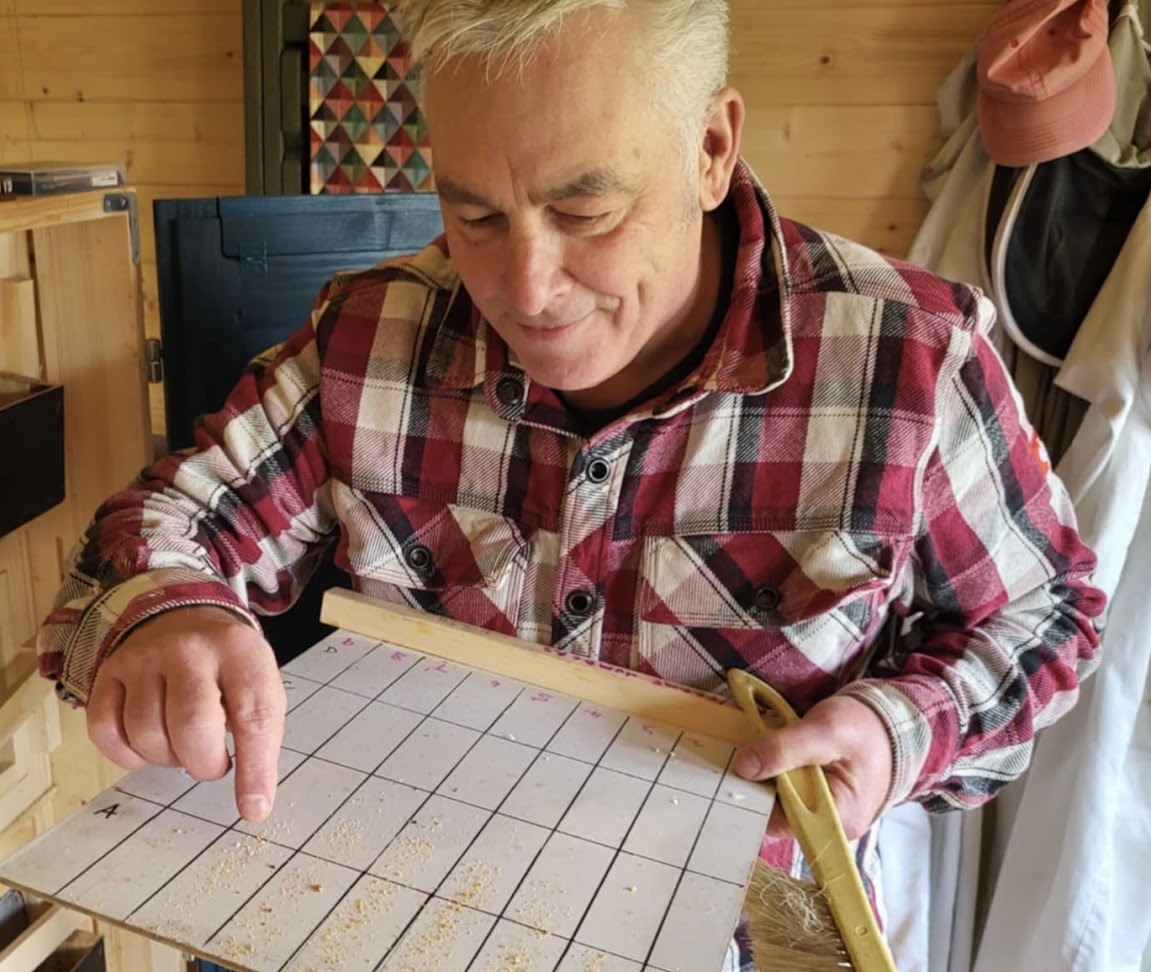
Ray Baxter’s passion for beekeeping started fifteen years ago when he was working as a biology teacher. His initial plan was to learn more about honey bees and share this experience with high school students in the biology classroom. This quickly developed from being an occasional lesson into an extra curricula bee club, to putting beekeeping on the school timetable as a Scottish National Progression Award (GCSE level) and supporting other schools with the development of their own beekeeping qualifications. It’s a journey that has been inspired by the enthusiasm of young people and the questions that they ask. In fact, the idea for this book came from a discussion with youngsters who were counting mites on the inspection board and who became side tracked by other finds in the debris.
What can the hive floor reveal about colony health? Scottish beekeeper Ray Baxter explains how studying hive debris—from pollen and wax to Varroa fragments, aka bottom-up beekeeping—can guide better management decisions and deepen understanding of honey bee biology.