


 Apple Podcasts
 Spotify
 YouTube
 Goodpods
 Amazon Music
 Overcast
 Castro
 PocketCasts
 Podchaser
 RadioPublic
 RSS Feed
 Winning at Honey: Choosing the Right Jars for Honey Shows
Stephanie Slater shares expert tips on selecting and preparing jars for honey shows, along with updates on upcoming events and judging opportunities.
In this installment of Winning at Honey with Stephanie Slater, Stephanie returns with seasonal reflections from Wisconsin and a practical deep dive into one of the most overlooked—but critical—elements of honey show success: selecting the right jars.
As spring unfolds with unpredictable weather, Stephanie balances early-season beekeeping tasks like hiving nucs and making splits while also setting clear goals for the upcoming honey show season. Building on last year’s success with dipped tapers and lessons learned from pollen entries, she emphasizes the importance of planning ahead—especially when aiming to enter new categories like comb honey.
This month’s listener question from Dave focuses on jar selection, opening the door to a detailed discussion on show requirements. Stephanie explains why glass jars are essential, the importance of uniformity, and how different categories—extracted, creamed, and chunk honey—require specific jar styles. She highlights the differences between classic and Queenline jars and shares how even sponsorship incentives can influence her choices at major competitions like the American Honey Show.
Beyond style, Stephanie underscores the importance of jar quality and cleanliness. From inspecting for defects to avoiding lint contamination and removing lot numbers when possible, she walks through the meticulous preparation required to meet judging standards. Practical strategies—like sourcing jars through local suppliers or fellow beekeepers—offer accessible solutions for small-scale producers.
The episode also spotlights the upcoming Eastern Apiculture Society Honey Show in Kentucky, detailing its wide range of categories and unique traditions, along with additional educational events and honey judge training opportunities across the U.S.
Stephanie closes by encouraging listeners to set goals, refine their craft, and participate in the broader honey show community.
Websites mentioned:
- Eastern Apiculture Society – https://easternapiculture.org
- American Honey Show Training Council – https://honeyshowusa.com
- Heartland Apicultural Society - https://www.heartlandbees.org/
______________
Brought to you by Betterbee – your partners in better beekeeping.

Betterbee is the presenting sponsor of Beekeeping Today Podcast. Betterbee’s mission is to support every beekeeper with excellent customer service, continued education and quality equipment. From their colorful and informative catalog to their support of beekeeper educational activities, including this podcast series, Betterbee truly is Beekeepers Serving Beekeepers. See for yourself at www.betterbee.com
_______________
We hope you enjoy this podcast and welcome your questions and comments in the show notes of this episode or: questions@beekeepingtodaypodcast.com
Thank you for listening!
Podcast music: Be Strong by Young Presidents; Epilogue by Musicalman; Faraday by BeGun; Walking in Paris by Studio Le Bus; A Fresh New Start by Pete Morse; Wedding Day by Boomer; Christmas Avenue by Immersive Music; Red Jack Blues by Daniel Hart; Bolero de la Fontero by Rimsky Music; Perfect Sky by Graceful Movement; Original guitar background instrumental by Jeff Ott.
Beekeeping Today Podcast is an audio production of Growing Planet Media, LLC
** As an Amazon Associate, we may earn a commission from qualifying purchases
Copyright © 2026 by Growing Planet Media, LLC

Choosing the Right Jars for Honey Shows
Stephanie Slater:
Hello everyone. Welcome to my Beekeeping Today podcast shorts:
In addition to my spring beekeeping chores, this is the time of year where I set some honey show goals for myself. I like to challenge myself to enter a category that I haven't before, or make some improvements in a category By setting my goals early, I have time to produce and collect what I need this summer in order to have entries for the fall or next spring. Last year I focused on pollen and dipped tapers. My dipped tapers did really well at the Wisconsin State Fair, the American Honey Show, and the North American Honey Bee Expo. Whew, they were a lot of work, but they were beautiful. Although I didn't place with my pollen, I have some great Jesus feedback that I can use to improve this year. I'd also like to try to produce more comb honey this year. I've only done very small quantities in the past. In March, I spent some time with some dear friends that are master comb honey producers and exhibitors. and they gave me some great tips. I'll need to get my equipment assembled this month so I'm ready for the strong nectar flow. What goals will you set for yourself this year?
Recently, I was contacted by a listener, Dave, who inquired about jars for honey shows, so I decided that would be this month's topic for discussion.
Before you start preparing for any honey show, read the rules to make sure you know what type of jar you need for each category, as well as how many you need per entry. Always use glass jars for show. And make sure to use the same style jar. For example, if you are required to submit three one pound jars for an extracted honey category Don't mix and match styles. They should all be identical.
When it comes to extracted honey categories, you usually have a choice of either classic or queenline style jars. The Queenline style is one with a larger shoulder and mouth. Both are excellent jars, so use what you want or already have. Sometimes there may be a sponsor or prize at a honey show that will help me determine which style to use. For example, at the American Beekeeping Federation American Honey Show, If a first or second place winning entry is in classic jars, Gamber awards the exhibitor with some gift certificates. These are awesome awards and I like saving money, so my entries at the American Honey Show are always in classic jars. Jars for creamed honey and chunk honey are different. and usually require a straight-sided jar with no shoulder and a wide mouth instead of the Queenline or Classic style jars.
Before they even look at the honey, judges will be evaluating the container's appearance. They will be looking for uniformity and cleanliness of jars and lids. When you are selecting the jars that will hold your show honey, look for the best glass that you can find. In the United States, jar producers are mandated by state-level regulations to use a specific percentage of post-consumer recycled glass. That results in some glass jars having more defects than others Avoid jars with scratches, dents, cracks, and try to find jars with the least amount of defects as possible.
Throughout the year I inspect every jar as it comes out of the box If any look good enough for a honey show, they're set aside and not used to fill customer orders. Small scale beekeepers like Dave may not have a lot of cases of jars to go through. He mentioned that his local beekeeping supply retailer was kind enough to help him go through a few cases of jars so he could select some show jars to put in the case that he was purchasing. I've had good luck with this approach in the past also. You might want to give it a try too.
Another strategy may be to ask your beekeeping friends if you can go through their jars before they fill their customer orders. I bring a case of jars with me and swap out for any show quality jars I find in their cases.
Well, where can you buy these glass jars? Well, our sponsors at Betterbee carry a variety of glass honey jars for showing extracted, creamed, and chunk honey. And there are lots of other retailers that carry glass honey jars as well. Some honey shows put more emphasis on the glass quality than others. The more competitive the show is, the more the judge may scrutinize the glass, so use the best glass that you can find What's even more important is how clean the jars and lids are. Judges will be evaluating cleanliness. There should be no dust. Dirt, smudges, fingerprints, sticky spots, honey drips, watermarks, or anything that looks unclean.
Pro tip alert Bring something along to the Honey Show that can be used to wipe off any fingerprints before submitting the entry for judging, but make sure you don't leave any aromas behind like soap or glass cleaner. What's the best way to wash your show jars? In a sink of hot soapy water and let them air dry upside down.
Pro tip alert! Don't use paper towels to dry the inside of your jars, as small particles or lint could be left behind.
I often get asked about lot numbers on jars. Until a couple of years ago, lot numbers were stamped in a clear ink toward the bottom of the jar on one side. It was difficult to see, especially when the jar was wet. Those lot numbers could be cleaned off with rubbing alcohol or magic erasers. In fact, that was the first thing a judge taught me at my first honey show. I didn't know those numbers were there, but there was a comment on my score sheet, so I've never made that mistake again. Now more often we are seeing those lot numbers etched into the glass and there's no way to remove them. Judges are aware of that. However, if you have some jars that the numbers can be removed from, you should do so. Well, we've talked a lot about jars, so let's wrap up by talking about lids. Lids can be metal or plastic. They just need to be in good condition and match. Even the color doesn't matter as long as they're all the same and clean. Avoid using lids with scratches, dents, rust, or fingerprints. When using the plastic lids, remove the safety seal from inside of the lid before entering the honey show. Lids should be clean both inside and out. There should be no honey on the underside of the lid. Now that we've talked about some honey show tips and some pro tips, let's move on to this month's featured honey show. The Eastern Apiculture Society Honey Show. This year's EAS event takes place in Shepherdsville, Kentucky from July 27th through the 31st. And if you're thinking about participating, it's worth noting that there are some rule updates this year, so be sure to review the latest version on their website before entering.
Now, what really makes this show exciting is the variety of categories. It truly highlights everything the Hive has to offer On the honey side, the show includes extracted honey, creamed honey, and comb honey, including chunk honey and full frames. And there's also that black jar category, where the honey is judged purely on flavor, just like we talked about last month.
The Beeswax Show features both blocks and a variety of candles, giving you a chance to showcase your craftsmanship and attention to detail. There's a mead and honey beer show highlighting fermented creations that start with honey as the star ingredient.
The event also leans into creativity with the Arts Crafts gift arrangements and gadgets show, which does continue to expand. This year includes some new categories like quilting, artwork, and additional craft entries, making it even more accessible to a wide range of talents.
If you enjoy baking, the Honey Cookery Show includes categories like cookies, bars, brownies, yeast breads and rolls, cakes and candy, all featuring honey in delicious ways And for those of you who might prefer a camera to a hive tool, the photography show includes macro, scenic, portrait, and essay categories, capturing the beauty and story of beekeeping from different perspectives.
Of course, there are plenty of opportunities for recognition. Awards at the EAS show include Silver Awards, Sweepstakes Honors, Best of Show, and the traditional prize ribbons. There is a potential Gamber award, but that one is still pending confirmation. And one unique tradition to mention, the EAS auction. Blue ribbon winners in the Honey Show are asked to donate a jar or piece of comb And winners in other categories are encouraged to contribute if they'd like. It's a great way to share top quality products and support the event. So, whether you're a honey producer, a crafter, a baker, or even photographer, the EAS Honey Show offers a place to showcase your work and celebrate the full creativity of beekeeping.
In addition to this great honey show, the EAS conference does have a great schedule of education. For more information, visit Easternapiculture.org. I am really looking forward to this one. EAS has a great reputation and their honey show has been on my bucket list for several years. I've seen photos and it's a high quality event. Since this year's event is closer to me in the Midwest, I have challenged myself to go and enter a minimum of three categories. Will I see you there too? Well, you're probably starting to learn that I really like attending beekeeping conferences or workshops, so I thought I'd share some information on some other upcoming events as well. The Heartland Apiculture Society is bringing back its in-person conference on May 30th and 31st on the campus of Michigan State University. You can hear from top researchers, explore breakout sessions on topics like swarm catching and nutrition, and build hands-on skills in their apiary. Plus, there's a deep dive with lab workshops on honey bee anatomy and disease diagnostics. Now there is one thing to note. There will not be a honey show at this year's HAS conference. But even without it, this is an event still packed with valuable learning opportunities. And hopefully we'll see a honey show return in the future.
Have you ever thought about becoming a honey judge? On June 26, the American Honey Show Training Council is offering its introductory honey judge training in Nashville, Tennessee. plus level two and level three certification exams for those already in the program that are ready to advance Honey judging is a detailed, hands-on skill that's perfect for anyone who loves learning, teaching, and of course honey. And the best part? The program is designed for all experience levels, from beginners to seasoned beekeepers.
In the Level 1 introductory class, you'll spend the day learning everything from food safety and honey handling to judging techniques, ethics, and how a honey show actually runs. Once you've completed it, you'll become a certified Honey Judge candidate. From there, most people take about 12 to 18 months to complete the steps needed for level two certification Have you already completed level one? You can sit for level two or even level three exams during this event. Now just a quick note. This training and certification are separate from the Honey Judge Academy that takes place on July 27th and 28th. So you'll need to register for each individually.
The Honey Judge Academy is a two-day hands-on training designed for Honey Judge candidates and experienced judges who want to refine their evaluation skills across honey, beeswax, and hive products. This is a focused, skills-based program built around real judging scenarios, expert instruction, and immediate application. I attended last year's. It was the first time they offered it. It was fantastic. I had a great time. I learned a ton. One thing to note, this year's Honey Judge Academy does not include a honey show. What? Honey judge candidates and judges can come and learn and network and have a great time. So to learn more about either of those events, visit honeyshowusa.com.
Hey listeners, if your state or region has a honey show that you'd like me to talk about, feel free to send me the information. If you have any honey show related questions send those my way also so until next month blue skies and blue ribbons i'll catch you next time
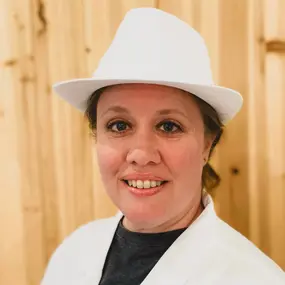
American Honey Show Training Council Certified Honey Judge and Beekeeper
Stephanie Slater has been keeping honey bees since 2017. She produces nationally award-winning honey in Walworth County, Wisconsin.
Stephanie entered her first honey show in 2019. She had absolutely no idea what she was doing, but with some dumb luck, received a 2nd place at the Wisconsin State Fair. Two months later, after applying some of the judge’s feedback to her entry, she received a 2nd place at her first American Honey Show. She was hooked and started doing anything she could to learn more about how to improve as a competitor. In 2023, she became the first person in Wisconsin to be certified as a honey judge through the American Honey Show Training Council.
Since 2019, Stephanie earned Best of Show awards from the Walworth County Fair, the Wisconsin State Fair and the American Honey Show; Best Tasting Honey in the United States from the Center for Honey Bee Research Black Jar Contest; 3rd Place in the International Flavor Awards; several awards at the North American Honey Bee Expo; and was Good Food Award finalist.
Stephanie was the 2022 Wisconsin Beekeeper of the Year and can often be found giving presentations throughout the Midwest.


