Apple Podcasts
 Spotify
 YouTube
 Goodpods
 Amazon Music
 Overcast
 Castro
 PocketCasts
 Podchaser
 RadioPublic
 RSS Feed
 "Bitter Honey" Author Jennie Durant (388)

Dr. Jennie Durant joins Beekeeping Today to discuss her new book, Bitter Honey: Big Ag’s Threat to the Bees and the Fight to Save Them. Drawing on years of research and interviews with beekeepers, growers, and scientists, Jennie explores the challenges facing modern pollinators, including habitat loss, agricultural intensification, honey adulteration, climate change, and varroa management. She also shares hopeful examples of habitat restoration and conservation efforts that can help support both honey bees and native pollinators.
Jennie Durant, PhD, joins Beekeeping Today to discuss her new book, Bitter Honey: Big Ag’s Threat to the Bees and the Fight to Save Them. Drawing from more than fifteen years of research, interviews, and fieldwork, Jennie explores the complex relationship between commercial beekeeping and modern agriculture. She shares how her interest in honey bees began during her graduate studies in the Philippines and eventually led to a PhD focused on the challenges facing managed pollinators in large-scale agricultural systems.
Jennie discusses the evolution of commercial beekeeping in response to the growing demand for almond pollination and how intensified management practices—including supplemental feeding, migratory pollination, and aggressive mite control—have become necessary to maintain colony health and profitability. She explains how habitat loss, monoculture agriculture, pesticide exposure, climate change, and economic pressures have created a difficult environment for both beekeepers and bees.
The conversation also explores the often-contentious discussions surrounding honey bees and native pollinators. Jennie emphasizes that habitat loss is the underlying issue affecting all pollinators and advocates for expanding forage resources rather than framing the discussion as a competition between species. Becky and Jeff discuss the importance of habitat restoration, pollinator-friendly land management, and the role beekeepers can play in supporting broader conservation efforts.
Jennie highlights organizations such as the Bee and Butterfly Habitat Fund and discusses practical actions individuals can take to improve forage availability for pollinators. She also shares stories gathered while researching the book, including the challenges commercial beekeepers have faced in obtaining effective mite treatments over the years.
Throughout the discussion, Jennie provides a thoughtful and balanced perspective on the realities facing modern beekeeping while offering hope through examples of innovative habitat projects, conservation programs, and collaborative efforts aimed at improving conditions for managed and native bees alike.
Websites from the episode and others we recommend:
- Bitter Honey: Big Ag’s Threat to the Bees and the Fight to Save Them on Amazon
- Honey Bee Health Coalition: https://honeybeehealthcoalition.org
- Project Apis m. (PAm): https://www.projectapism.org
- The National Honey Board: https://honey.com
- Honey Bee Obscura Podcast: https://honeybeeobscura.com
Copyright © 2026 by Growing Planet Media, LLC

______________

Betterbee is the presenting sponsor of Beekeeping Today Podcast. Betterbee’s mission is to support every beekeeper with excellent customer service, continued education and quality equipment. From their colorful and informative catalog to their support of beekeeper educational activities, including this podcast series, Betterbee truly is Beekeepers Serving Beekeepers. See for yourself at www.betterbee.com

This episode is brought to you by Global Patties! Global offers a variety of standard and custom patties. Visit them today at http://globalpatties.com and let them know you appreciate them sponsoring this episode!
As a beekeeper, you want products that benefit you and your bees. When you choose Premier Bee Products, you choose hive components that are healthier for bees and more productive for you. Because we believe that in beekeeping, details make all the difference. Premier Bee Products: Better for bees. Better for beekeepers. Use promo code PODCAST for 10% off your next online order.

APIS Tactical is a beekeeping brand focused on innovation. We create a wide range of gear for beekeepers of all types—whether you’re managing a few hives or working bees every day. We combine science and artistry to create purposeful, hardworking gear. We’re here to help you care for your bees with confidence, so you can focus on what matters most—your hive.

Thanks to Strong Microbials for their support of Beekeeping Today Podcast. Find out more about their line of probiotics in our Season 3, Episode 12 episode and from their website: https://www.strongmicrobials.com

HiveIQ is revolutionizing the way beekeepers manage their colonies with innovative, insulated hive systems designed for maximum colony health and efficiency. Their hives maintain stable temperatures year-round, reduce stress on the bees, and are built to last using durable, lightweight materials. Whether you’re managing two hives or two hundred, HiveIQ’s smart design helps your bees thrive while saving you time and effort. Learn more at HiveIQ.com.

We’d like to thank Vita Bee Health for supporting the podcast. Vita provides proven tools for controlling Varroa—from Apistan and Apiguard to the new VarroxSan extended-release oxalic acid strips—helping beekeepers keep stronger, healthier colonies.

Thanks for Northern Bee Books for their support. Northern Bee Books is the publisher of bee books available worldwide from their website or from Amazon and bookstores everywhere. They are also the publishers of The Beekeepers Quarterly and Natural Bee Husbandry.
_______________
We hope you enjoy this podcast and welcome your questions and comments in the show notes of this episode or: questions@beekeepingtodaypodcast.com
Thank you for listening!
Podcast music: Be Strong by Young Presidents; Epilogue by Musicalman; Faraday by BeGun; Walking in Paris by Studio Le Bus; A Fresh New Start by Pete Morse; Wedding Day by Boomer; Christmas Avenue by Immersive Music; Red Jack Blues by Daniel Hart; Bolero de la Fontero by Rimsky Music; Perfect Sky by Graceful Movement; I'm Not Running Away This Time by Max Brodie; Original guitar background instrumental by Jeff Ott.
Beekeeping Today Podcast is an audio production of Growing Planet Media, LLC
** As an Amazon Associate, we may earn a commission from qualifying purchases
Copyright © 2026 by Growing Planet Media, LLC

"Bitter Honey" Author Jennie Durant (388)
Lee Mabey
Hello podcast audience. This is Lee Maby from the great state of Idaho, city of Idaho Falls where it's cold. I've been keeping bees for about twelve years. I usually have about twenty production colonies and about that many nucs. There's been many times I should have quit this hobby, but for some reason I keep hanging in there. Welcome to the Beekeeping Today podcast
Jeff Ott
Welcome to Beekeeping Today podcast presented by Betterbee, your source for beekeeping news, information, and entertainment. I'm Jeff Ott.
Becky Masterman
And I'm Becky Masterman.
Global Patties
Today's episode is brought to you by the Bee Nutrition superheroes at Global Patties. Family operated and buzzing with passion, Global Patties crafts protein-packed patties that'll turn your hives into powerhouse production. Picture this: strong colonies, booming brood, and honey flowing like a sweet river. It's super protein-free. Your bees and they love it. Check out their buffet of patties tailor-made for your bees in your specific area. Head over to www. globalpatties. com and give your bees the nutrition they deserve.
Jeff Ott
Quick shout out to BetterBee and all of our sponsors whose support allows us to bring you this podcast each week without resorting to a fee-based subscription. We don't want that and we know you don't either. Be sure to check out All of our content on the website. There, you can read up on all of our guests, read our blog on the various aspects and observations about beekeeping, search for, download, and listen to over 300 past episodes, read episode transcripts, leave comments, Comments and feedback on each episode and check on podcast specials from our sponsors. You can find it all at www. beekeepingtoday. com. Thank you, Lee, from Idaho, for that wonderful opening. Now colour in Idaho.
Becky Masterman
Who's got more work to do, Jeff?
Jeff Ott
Why are you looking at me when you say that?
Becky Masterman
'Cause my my orange marker doesn't reach into your computer, so All right.
Jeff Ott
Hey Lee, thanks for giving me more work. I have to find my box of Crayola crayons. And uh we are excited. I know. Yeah, it's really good. It's really good. June. It is June. Definitely June. It is a busy time of year for beekeepers everywhere, I think, except maybe down under. They're putting their bees to bed, but uh in the northern hemisphere, it's a busy time.
Becky Masterman
Yeah, it is. It is the time where you run out of space and The bees decide to move if you haven't given them adequate space and it's a fun time of year. Oh oh and the mites have a lot of brood to reproduce in. So You know, it's a it's a time of plenty.
Jeff Ott
Time of too much. Did you get through swarming season unscathed?
Becky Masterman
It's still stormy season here, so so it's June, so you know, we have to we have to be on our toes. We've got a a pretty strong nectar flow in June, so Any excuse for them to m to swarm and and they'll take it, right?
Jeff Ott
You look at them cross-eyed and they go take off. Well this is this is a good time of year. We have a listener question for our high by q Hive tool promotion that we have going. And we've had this going since what October of 25? And we still have quite a few tools to hand out. Thank you for a hive IQ for that. So if you have a question, listeners, you can send it in or better yet, click on that microphone icon in the lower right-hand corner of our website and leave us an audio question. Today's question comes from Kim Marie Wood, and I think it's a timely question. She wrote it in the spring, but I think it's really good for this time of year as well.
Becky Masterman
Yeah, it's just good beekeeping skills I think to have.
Jeff Ott
Kim asked how to equalize colonies at various stages in the apiary. So you have a strong colony, you have a weak colony, you got one in between How do you go about equalizing them? Is there a need to?
Becky Masterman
I love that question because it's it's a little bit of an advanced beekeeping skill. And I will add that she mentioned She was looking for other ways in addition to moving capped brood or or brood from one colony to another. Obviously if it's if it's emerging, then you're going to start increasing that population right away. If you're just moving brood over that's gonna take a little while until you add to the adult population. But I will just add, even though I know Kim knows this, that if you are gonna move brood from a stronger colony to a weaker colony, make sure that there are enough bees that they can cover the frame and take care of that brood and it's not going to get chilled or it's going to not going to be well fed. But one of my favorite tricks that I learned, I don't know if you've ever done this as far as increasing a population, is to switch colonies. So If you have two colonies right next to each other or well across the way, you put one in one location, the stronger one goes to where the weaker one was, and and vice versa. And so that weaker colony is going to get all of the foragers from the stronger colony. And hopefully you don't have too many issues with fighting, but it can be a way to just really change the colony dynamics. Do you ever do that?
Jeff Ott
I've done it a couple times and it's always hesitantly I do that, but yes, I've done that.
Becky Masterman
And and I've done it to to boost a weak colony. I've also done it to try to convince a colony to not swarm. It it is a way to equalize, but it but it is it's a little bit it's an interesting dynamic. But but the best way that I equalize colonies is that I make sure that when I'm dividing, if I can, I try to move those divides to a different AP area a few miles away so that I don't lose the population. I don't the foragers don't leave and then go back. And so I try to keep my population, my divides equal and keep the population where I want it without having to lose that population and then maybe have to boost them later on. So That's me rambling about it. What about you, Jeff? Did I take all the ideas?
Jeff Ott
No, you took all the ideas, but they're all good ideas. I have used the uh put the weaker colony in the stronger colony place. I just advise not to do that when you know, take off all the honey soupers or take off you know, do it in pieces. Besides, yeah, doing the divide type midseason divide and which is basically what Kim was talking about doing or in terms of moving the brood, cat brood. I did have a question for you though on the cat brood. If it's still warm at night and you just move cat brood or emerging cat brood, is there s as much concern then as if you were moving eggs and larva in terms of temperature nighttime temperatures?
Becky Masterman
So considering the brood nest needs to be in the nineties, I mean at night, even if it's ninety during the day, it's dropping to the seventies, right? So You might not have to worry about developmental issues. You d might not have to worry about nutrition, but you are still changing the conditions. There's nothing sadder than when you've moved a frame of emerging brood over and you see a little tongue sticking out and they didn't make it out. So that's that's important.
Jeff Ott
The Q sign in honey bees is never good.
Becky Masterman
I thought of another idea is that in order to keep your colonies kind of the same size, if you have a really, really strong colony, instead of dividing it into two, you might want to divide it into three, so that that might be sufficient to do the divide and then kind of keep you from having colonies that are are really just booming compared to smaller colonies.
Jeff Ott
Very good. Well, Kim, we hope we answered your question and we will be placing your Hive IQ Hive tool, shiny, silver. with our logo on it in the mail real soon. Coming up we have Dr. Jennie Durant. She has written a new book. It's uh released just last month. It's called Bitter Honey, Big Ag's Threat to the Bees in the Fight to Save Them. It is a book that you will wanna read, stand by, she is in the green room.
Becky Masterman
You said that so well.
Betterbee
Looking to re-queen a hive, make a split, or build your own nucs this season? Betterbee has mated queens available for shipment or pickup in Greenwich, New York. Choose from Kutik. canine queens, bred for hygienic mite resistance and strong honey production, gentle carniolan queens, known for managing hide populations with the flow, or Betterbees locally raised northern queens. Selected for winter hardiness, disease resistance, temperament, and honey production. Order your queens today at betterbee. com
Apis-Tactical
This episode of Beekeeping Today podcast is brought to you in part by Apis Tactical, a beekeeping brand focused on innovation. They use new designs. New materials and new ideas to bring more joy to beekeeping. Apis Tactical creates a wide range of gear for beekeepers of all types. They use new designs, new materials, and new ideas to bring more joy to beekeeping. Products are built with purpose and they're already getting attention well beyond the US, with beekeepers in Europe discovering them through this podcast. If you're looking for well-made beekeeping gear from a company that understands the work, take a look at APSTactic. com You can learn more at apis-tactical. com.
Jeff Ott
Hey everybody, welcome back. Sitting around the great big virtual beekeeping today podcast table. We have in Berkeley, California, Dr. Jennie Durant. author of Bitter Honey. Jennie, welcome to the show.
Jennie Durant
Thank you so much. It's great to great to be here with you.
Becky Masterman
We're very excited that you one that you talked to a bunch of beekeepers and learned all about the beekeeping industry, but then you're here to share it with us. Thank you. I'm honored to be here.
Jeff Ott
Well before we get far into the book or get into the book, can you tell us a little bit about yourself?
Jennie Durant
I got my PhD at Berkeley. I got into bees, was interested in bees, starting actually with colony collapse disorder. I was living in the Philippines at the time. And I was studying rice terraces of all things like rice communities. And anyway, I was really homesick and I read The Secret Life of Bees by Sue Monk Kidd. And I was like, I want to learn about bees. That's gonna help me feel better. It's so random. And so I I know. So I went down and I worked with this, I met this woman who had this like little resort in the Philippines And she had like hexagon hexagonally shaped how like rooms that you could stay in and all the food had honey in it in some way. And she was training beekeepers across the island, these farmers, you know, adding beekeeping into their operations so they can, you know, have an extra source of income. I was really inspired by the work she was doing. So I started learning about bees then and was kind of working on a pamphlet for her and it just got longer and longer and I was like, we're really into bees and and at the time I was uh colony collapse disorder was you know hitting the news. This was in 2007 And so I just started getting really into it and eventually got my PhD to better understand what some of the drivers were behind B declines and I learned about the almond industry and started interviewing beekeepers to find out, commercial beekeepers, I should say, to find out how they were changing their management practices to pollinate for the almond industry. And so then I did my PhD and then did hostdoc where I I studied almond growers and Then went to work at USDA, and then I started working on this book. And so that's kind of where I've been at for the last uh 15 years or so. And yeah, a little bit about me there.
Jeff Ott
You're fully immersed in the honey bee industry and the world of honey bees.
Jennie Durant
Yeah, it's been an it's been amazing. I've made some really good friends over the years too and it's just been a really eye opening and and I've I just have so much respect for beekeepers, both small and enlarge.
Jeff Ott
Do you have any bees of your own? Any colonies in a backyard?
Jennie Durant
I did, and then I I am like mildly allergic to bees and so when I was pregnant I stopped beekeeping for a while. And then we've been moving a lot and you're living in the city in DC and we're renting right now. So my hope is to get back to beekeeping. But for now I just get stung by other people's bees.
Jeff Ott
Well, that is definitely a solid background in bees. So Tell us a little bit about your book, Bitter Honey, and uh the subtitle is Big Ag's Threat to the Bees and the Fight to Save Them That sounds really exciting.
Jennie Durant
Yeah, thank you. The book is about well kind of what the title says, right? It looks at how our large-scale industrial ag agricultural system you know, the threats that it poses to bees. It's the same system that our beekeepers are supporting is also a threat, you know, to to them as well. And so I I started off, as I mentioned, with this interest in the almond industry and how beekeepers were transforming their their management practice. practices to pollinate for almonds and how that requires an intensification of their of their management practices. So like you know, adding feeding them more supplements, pushing their bees uh, you know, harder, trucking them cross-country, having to really manage for mites intensively. Um, because you know, when when your bees are so valuable and you need a lot of bees to pollinate almonds in February, which requires o um over ninety percent of all commercial bee colonies, you know, in California I was really curious about this interplay between commercial beekeeping and and agriculture. And what I found was just that, I mean, a lot of ways that it's become so hard to be a beekeeper in the United States at the at a commercial scale. There's really cheap honey on the market that drives the cost down. But also in terms of big agriculture, you know, we have the spread of monoculture crops and that is getting rid of important forage that bees have relied on um and beekeepers have relied on for decades. And then there's also just this intensified the way that agriculture has expanded so intensely, you know, requires so many beekeepers and there's Just this large push to really manage your operation in an intense way, and that also can make bees a little more vulnerable as well Then there's also the use of pesticides, right? There's the way that climate change is kind of exacerbating all these different drivers. So that's like the first two-thirds of the book. And then the last third of the book really looks at inspiring solutions things that kinda got me excited that were particularly focused around things that, you know, the everyday reader could perhaps do to help bees. There are a lot of solutions that I don't talk about that are really coming from within the beekeeping industry, but I wanted to focus on especially like things that we can do to get more flowers on the ground for bees, just like to get more food out there. So I look at you know, large-scale proje uh forage projects, on farm, you know, forage planting, and then what how people have transformed their backyards to help these two.
Becky Masterman
Jennie, you have been in the industry for quite a while now, and you've been doing a lot of research, a lot of information gathering. We've have a situation that seems to just keep getting worse. I remember Hannah Nord Nordhaus' book, Beekeepers Lament, really let not just be keepers but the world know what was going on with the beekeeping industry a number of years ago. But now you're coming out with a new book and you've got the benefit of hindsight from these beekeeping operations that we're struggling and and to now and and where they're at. This is a long question. Wait for it Why did you decide now that this was the right time to release a book and to write about where we're at in this point of time?
Jennie Durant
That's a great question. I I actually have to start off by saying Hannah Nordhaus' book, um, The Beekeepers Lament, was a huge inspiration for me. And I remember, you know, John Miller is one of the beekeepers featured in that book. And I when I first met him at a conference, I felt like I was meeting a celebrity, you know, like um It's just like, oh yeah, John Miller, you know. Um and he's actually in a few of the chapters of the book too. And and so that was it was really amazing how she made that world come alive and and inspired me to, you know, my own journey And as far as why now, you know, I think some of it is I have been just watching beekeepers really struggle over the past really since I started interviewing them uh in back in twenty twelve, but especially over the last few years. You know, last year in particular there was a was some of the worst losses beekeepers have faced in history. They were opening their colonies right before almond bloom, which is a really important source of income for beekeepers and finding sixty to eighty percent of their colonies had disappeared. You know, it was it was devastating. And also kinda in the context of B science really being kind of attacked, you know, by this administration too. Like we're really seeing the gutting of bee labs being closed and you know bee federal bee researchers are struggling, you know, to make keep their jobs and and so there's this whole context of bees struggling and there's just not being enough support to help them And so I felt like I really wanted people to have this broader sense of our food system and the role it plays in in making creating vulnerability in bees, I would say both in in managed bees and in native bees as well. But I also wanted to come in with that hopeful message because there are so many drivers of of B losses. There are also so many solutions. And so I spend the last third of the book really looking at some of the, you know, hopeful efforts out there to try and help bees and other pollinators. And I just think let's focus on, you know, as much of the solutions that we can to just try and really support our bees and beekeepers because It really is an important moment and our food system relies on them and declines, pollinator declines are real and I do think it's really time to to take action. So I hope some of the information in the book and the stories that are really threaded throughout from these beekeepers and farmers and other practitioners will, you know, will help connect people to what's going on and inspire them to maybe do something to make a difference.
Becky Masterman
I love the fact that you are firmly set in academia, but your writing is so easy to read and it's it you are a storyteller and so you're able to weave that science and data in with the people's lives and what they're experiencing and and how a lot of the beekeeping industry operates. So I think that for readers it's going to be it's exciting that the book is being released because I I think you're going to reach not just beekeepers, but you're going to tell the story to a lot of people who care about honey bees bees and our food system.
Jennie Durant
So it's like the nicest thing you could tell me about.
Becky Masterman
Thank you so much. And a lot of our listeners actually do listen to or not listen to, but they actually read science papers and and So we have people who are who are digging in there, but there's something to having the information really shared in in a in a just an easy, easy to understand format. It's just so valuable. So
Jennie Durant
I remember when I was first going to beekeeping conferences, um, like the American Beekeeping Federation, uh, American Honey Producers Association. I would be sitting there and watching these beekeepers watching, you know, bee researchers like from the bee labs presenting their studies you know, like most of the day would be presentations on research. And I was like, God, these they're so academic. You know, these beekeepers are sitting here and they're like asking questions and like how'd you do this study and this and that And I was so impressed. And so I I've always been really impressed by just that deep uh relationship between researchers and beekeepers that the community has. But I also when I was writing it, oh my god, just writing my first couple of chapters, I it took me forever because I really had to work on getting out of that academic mindset and and sort of way of communicating and just simplify it and simplify it and and really try and think like what is the average reader, you know, what are they gonna find interesting? How can I make this as mites, you know, varroa mites as interesting as possible, you know, like so so people care and and get involved in it because it is at its heart. I mean beekeeping is fascinating and bees are so interesting and beekeepers are doing such a unique and you know interesting and important job for for our food. And I I just like had to try and make it accessible. But hearing that you feel that way is like such an honor.
Becky Masterman
That's amazing. A hundred percent. It's exciting. It's exciting because I think this is going to improve beekeepers' lives in in a number of different ways because that information's being shared so easily. So Thank you.
Jeff Ott
Okay, let's take this opportunity to take a quick break and we'll be right back and talk more with Dr. Jennie Durant.
Premier Bee Products
Beekeeping is demanding work. The last thing you need is equipment that can't keep up. That's why Premier Bee Products builds every frame and hide body in our South Dakota factories with one goal in mind. Reliability when it matters most. From our beefy pura frames to our natural profila high bodies with rough interiors, we design for long life, in the field and in the colony. Because we believe that in beekeeping, Details make all the difference. Premier Bee Products, better for bees, better for beekeepers. Visit online at PremierBeproducts. com or call us today. Use promo code PODCAST for 10% off your name. Next online order.
StrongMicrobials
Beekeepers, if you're looking for a smarter way to support colony health, take a look at bee bites from strong microbials. Bee bites are a new protein padding. Made with spirulina, chlorella, and targeted probiotics, designed to support nutrition without creating new problems in the hive. With 15% protein, bee bites are unique because they do not attract small hive beetles, a big deal if You've ever battled infestations during feeding. Strong Microbials has been supporting beekeepers and farmers since 2012, developing high-quality commercial probiotics and nutritional supplements you can trust. Learn more about Bee Bites and their full line of bee nutrition at Strongmicrobials. com.
Becky Masterman
Welcome back everybody. Jennie, the beekeeping industry is is just a little bit divided. We also have have threats from the outside that are are really impacting some of the ways that people feel about beekeepers and honey bees. So within the industry We have small-scale beekeepers or hobby beekeepers who might not agree with the commercial beekeeping methods. We've have commercial beekeepers who might not respect the the huge impact our hobbyists and sideliners have on our industry. And then we also have native bee enthusiasts and some researchers who are really not excited about honey bees because of competition. And and I've always been the opinion that, you know, there wouldn't be a competition issue if we didn't have such a habitat crisis. But but I'm I'm sure you have a lot to say on those conflicts. I'll just let you give some thoughts.
Jennie Durant
Yeah, it's it's such a great point and it's been something I've observed, you know, for years. I I was a beekeeper for a while. And I remember one of the big conflicts that we would see between commercial and maybe backyard beekeepers was like, how do you treat mites? You know? Do you How often do you treat them? What chemicals do you use? If you're not treating, are you impacting a beekeeper who's making their livelihood, you know, off of their bees by Because mites transfer from, you know, one bee colony to the next and bees can travel, you know, within different colonies. Are you kind of a mite bomb, you know, for another bee heaper in your area? And what are what responsibility do we have in terms of how we're kind of collectively treating bees? So that was one big source of tension. So I'll just I'll sort of start off with that. that tension between the industry and with you know within the industry and within the c beekeeping world. So I think what gives me hope for, you know, the future of beekeeping in in This country is that there are these forums where beheapers can come together and talk about you know how how we do kind of raise bees collectively. And the truth is, given the ways that bees fly, you know, it is their they are kind of like a a commons in a way. They are the what you're doing in your own backyard can affect a beekeeper in an you know in someone in their yard, right? In their apiary. And so I I do think that we need to have conversations, you know, but at the end of the day, you know, we we are they are sort of We are raising our own bees. And so there is going to always be this tension, I think, between maybe smaller, more intimate ways of beekeeping and larger, more, you know, profit focused or even I wish to say livelihood focused forms of beekeeping as well. And I don't necessarily have any solutions for that except for just really emphasizing the importance of those those annual and local regional conferences where large and small beekeepers can come together and just keep talking to each other and kind of wrestling with these questions and continue to understand the ins uh the importance of science, you know, driven beekeeping and and trying to have some of that research guide our our our beekeeping practices while also creating space for experimenting because I think a lot of smaller backyard beekeepers are exploring new forms of beekeeping that can inform large-scale beekeeping as well, like using say essential oils or, you know, less drastic or chemical forms of mite treatments. So so that's one point there. And I asked your bigger question about the sort of forage debate. I talk about this in one of my chapters, and it was actually kind of depressing for me sometimes to see the conflict between like the native bee community and the beekeeping communities. I really get it. You know, I think as you talk about this shrinking forage that's on our planet really, not just the United States. There's just less and less food for for bees these days with urbanization and even, you know, uh extreme weather events like droughts, you know, wiping out floral availability or really limiting it wildfires. I'm in California, so that's you know top of mind over here. And so as we have less storage, who gets access to it, right? And I think that is a really big question. And in terms of the path forward there, I mean I think it's really important to honor the fact that commercial commercially managed bees do pollinate a massive portion of our food system. And at the same time they're also really vulnerable and we need we need to do more to support our native bee populations. So we do have to have a big tent approach. You know, we do need to be honoring the needs of both. I I'd say we we there's from what I've seen less less research on on native bees and compared to compared to honey bees. And so It would be great to be better monitoring our native bee populations and better identifying them. And then trying to again have those forums where we can talk about Are there spaces that maybe should be protected for native bees that be heapers don't maybe access or or get permits to access Do we not want to have that approach? I just think those forums and that conversation needs to continue so we can understand how to protect forage. And then we just need to support as many conservation and habitat programs as we can to be constantly trying to get, you know, more forage on the ground. So That's why uh last thing I'll say on that, uh a lot of my solution m chapters, uh the three solution chapters are really about getting as many flowers as we can, you know, on the ground so we can just have as much food as possible for bees because I think that will alleviate a lot of this stress, you know, as well.
Jeff Ott
You know, rising tide raises all ships. I mean if we have the appropriate habitat for the native bees, there's gonna be enough for the honey bees. And and in those areas where there there are rarities and and small numbers of native bees, then I think everyone's on board to say, now okay, we don't need to put necessarily bees there or I think there was an argument at some point where the what is it the conservation reserve program made available more space for farmers to plant or not plant in certain areas or leave hedgerows, and those are no longer s prominent as they used to be. It's a challenge, a serious challenge for everybody.
Becky Masterman
I would just like to argue with you, Jeff. If the f land doesn't support bees, then instead of keeping honey bees out, we need to get more forage on the ground. That's our solution. I know you agree essentially, but but it is it is interesting how when the problem is framed that it's honey bees competing with native bees, which those data are really, really difficult to interpret at this point. And I think if if that's how the problem is framed, then I think that the solution is Great, our honey bees are telling you that there's not enough feed. So that means that in this place, if a honey bee colony can't thrive, it means that there's not enough forage. in the area. And there are states out there. Kansas, I love you, but Kansas the honey production has just tanked over the last thirty years because the the land use practices have changed so much. And the bees are telling us things. They're telling us that, you know, w we no longer can produce sixty pounds of honey. Now we're producing under thirty our average yield. So
Jennie Durant
That's a great point and I just wanna jump off of that a little bit because, you know, bees, honey bees really are a canary in the coal mine, you know, for bees writ large. They're obviously sensitive to different pesticides or different, you know, pathogens or pests uh in different ways, but they do give us a glimpse of well what might be happening for needed bees on the ground since they're much harder to study and understand and some of them are you know, solitary and not even social and so like honey bees are and bumblebees and so it it they really do provide us an opportunity to better understand those dynamics And I think that's, you know, just a great point. Like if we're seeing honey bees struggle here is then our native bees must be struggling too. And what all this is telling us is that we just don't have enough forage and that we're prioritizing we're not prioritizing bees enough on our in terms of how we think about, you know, farming and land management, I think we could afford to be a lot more creative about getting more pollinator forage on the land, you know, on various landscapes than we currently are and that that's the that's the direction I'd really like to see us go in.
Becky Masterman
And and I'm hoping that everyone reads your book and everything is going to maybe help focus people's arguments because I think people hear one argument about, you know, native bees and honey bees in competition, and that's maybe not the argument they need to hear. They they need to see the big picture. So I'm really excited for you to be on the Today Show. Is that on the on the list of things that's gonna happen? Not yet, but if you know somebody, I would love that It's so exc I feel like you're you're a a spokesperson for the industry right now, Jennie, so no pressure, but by you releasing this book, it really it gives somebody some help as far as telling the story and and having people understand in the big picture what's going on in the industry and some solutions too.
Jennie Durant
First of all, I appreciate that so much and I over the years have really come to be so invested in the plight of beekeepers. And I will say, you know, I do talk about commercial beekeepers role in creating vulnerability in their own bees, which they are very open about. And they s and they struggle with that role a lot. They describe it as a Faustian bargain and um it's ki sometimes a choice between managing more intensely or going under, you know, in your operation. But it so I think what was important for me is just to give as honest and clear of a perspective of like, this is what beekeepers are struggling with. But instead of blaming beekeepers, we need to look beyond at the system that they're operating within, which which so many farmers are struggling in our our current industrial system. and have compassion and then start thinking about how do we help, you know? And so I think that, yeah, I just wanted to add a bit to what you were saying because I think that's such an important point.
Becky Masterman
There is a lot of honesty in the book and it's not a pretty picture in many ways as far as what is it, beekeepers as petty criminals?
Jennie Durant
Is that part of the Yes But they're forced into this terrible position, you know, where they like don't have good miticides and it's especially at large scale, it's really hard. But yes, there that is a chapter or part of a chapter.
Becky Masterman
But that's honesty and it's really important because I I don't think anybody's trying to clean up the situation, but but really just explain this is this is where we're at.
Jennie Durant
And this is what you're forced to do, right? When you have so many fewer options and you're being expected to pollinate this huge farm system with with less resources than other larger industries.
Jeff Ott
I think the timing for the book is also really good because in what month is this? June? So back in May, April, there was the Freakonomics episode podcast. Where they talked about instead of free economics, they talked about the be economics. And they talked about many of the same issues. And of course they focused more in their episode on some of the dumping and adulteration of honey, but they're also they also touched on the habitat. And I think between what you bring to light in your book bitter honey and big ag and also what they're talking about in the economics of the honey industry, the timing is coming for the honey industry to be able to to be able to have the right people hear the problems that we're facing and your book is gonna be, you know, something people can be carrying as they're talking about what's happening. I think it's very good. Timing's perfect
Jennie Durant
And onto that honey point, you know, um my husband's Indian and I spent some time in India over winter and I was able to interview beekeepers um while I was there and uh Indian beekeepers. And it was really fascinating. This was probably the next project for me, but because they were talking about, you know, there's a lot of awareness around honey adulteration and how that can really kind of flood the market in the US with cheap honey. and drive down costs and really just make the honey market a tricky place for beekeepers. And I I don't talk about this as much as the book because I in the books I wanted to have more time to research it. But, you know, there is in India this commonly known that, you know, like a large portion of the honey is adulterated. I mean, I was getting hearing quotes of like a fifth of it is honey and the rest is, you know, some kind of syrup, you know, which is a really high number. And again, I'm not trying to place blame on anyone here, but this is a a dire reality for beekeepers who you know, if you're facing adulterated honey with some super cheap sweetener added in versus one hundred percent real honey, that's a that's a hard market to try and sustain yourself in as an honest beekeeper. And so it again it's just these larger systems that beekeepers are in and the pressures they're facing. It's it's it's so important to know the story and understand what's going on so we can help.
Jeff Ott
Two years ago we did a series on the habitat crisis. And we have a four-part series out on our website that we talked to different beekeepers. We talked to Other people in the industry, we talked to Zach Browning from uh the Bee and Butterfly Fund and talk about what is the problem. We helped define the problem and then helped to highlight some solutions that were possible that Yeah, beekeepers and beekeepers neighbors and people around the world could do to help alleviate some of this habitat problems that we're facing
Jennie Durant
Yes, you know, Z I feature Zach Browning in the book actually quite a bit. He's probably one of the beekeepers that I kind of bring weave historian as well. And You know, in some ways the work that they're doing with the bee and butterfly habitat fund was probably the inspiration for my like solutions section It was so cool to hear how they, you know, had this research driven approach to coming up with the best seed mixes So right, you think about a a forage plot of land and if you just put kind of any flowers on there, sometimes they're they can turn to grass really quickly and not have as much food. And so they were trying to figure out How can we have the most dense, you know, nutrient-rich stands of flowers in these seeds mixes? And just kind of hearing about his and his partner beat uh Berthelsen in in founding the Bean Butterfly Habitat Fund, their process with that, and then how they've been working uh using controlled burns to also help with uh manage it. They're just doing a lot of really innovative work in terms of, you know, if anyone's got like a few acres of land that they can dedicate to pollinator habitat, programs like Bean Butterfly Habitat Fund or Project Apus N, the Seeds for Bees program here in California They're just such great resources for anyone looking to to, you know, help bees. So I always like to talk about that.
Becky Masterman
I'm glad you brought it up. It's a different industry because we used to just put the bees down. and they took care of their food and we didn't have to worry about supplements. We didn't have to worry about, you know, what And so it's a unique industry where we even have the luxury to not have to worry about it. But at this point, point we need to and so beekeepers aren't necessarily used to putting the bees down and then putting in the seeds so that they get fed and so it's a good time to highlight that yeah it's hard.
Jennie Durant
I have a lot of people who are like, I want to help the bees. I'm gonna become a beekeeper. And I I don't mean any disrespect 'cause I think you know it's that's that's great, but I'm always like, whoa, you know, like I really encourage planting flowers instead and providing food for bees and really learning about beekeeping before you get started because I was beekeeping my bees died almost every year from mites because I was you know learning how to manage them and it's a lot of work and requires a lot of vigilance and so I I really again just have a lot of respect for beekeepers, but it's I really do think one of the best solutions for anyone who can help is just to get more food out there, you know, in the form of some bee friendly plants in your yard or in your neighborhood garden or or any way you can. I've seen apartment buildings with bee flowers in pots and butterflies on them or bees on them and like every little bit of food cats.
Jeff Ott
Or your neighbor's garden. Just toss it just toss some seeds.
Jennie Durant
Toss some seeds on the side. Make sure you have a good
Becky Masterman
a good neighbor for that one before you take that apart. Jennie, you talk to a lot of beekeepers and some of 'em might be characters. Do you have a a a favorite story that you could share?
Jennie Durant
You know Yes, so one of my favorite stories, I had to keep the beekeeper's identity anonymous, but so his name is Dave in the book. And he was just telling me, you know, this was in the context, it's in the second chapter and called Buzzkill. And he was talking about just how the links that beekeepers go to to get mitocides to treat their bees. And so He was talking about, you know, there's amatraz and there's a product called Tactic that beekeepers are not supposed to use and I will neither confirm nor deny whether they still use that. But at one point, Dave was trying to get this tactic product and he jokingly calls it SmackTic and he was having to like get it from smuggled in from Mexico. And he would describe how this the smuggler would bring in um like uh cheese and the palate would be cheese and then in the middle there would be these containers of tactic. And at some point, you know, he figured and they'd like meet in the back lot of like a Home Depot and you know and like get this, get this tactic. But it was like the only thing that was working, you know, was was this my decide. And so Anyway, eventually he finds out that they're also adulterating his tactic and he had to find a better dealer. And then I think ultimately he ended up moving away from the use of tactic and towards more natural uh substances, but uh you know or, you know, pest control. But but at the time I just love the story about like the cheese smuggler bringing in the smack deck from Mexico, you know. So just like The links you go to.
Jeff Ott
Who would have guessed that the Mexican cartel is bringing in tactic?
Jennie Durant
I know. Like bee bee treatment.
Becky Masterman
Like I it was like I had no idea there was like a black market for bee products, you know, like that was so fascinating And for newer beekeepers who are listening to this, when you look up what their the options are, we have so many right now compared to what we used to have. And and so we are in a We're feeling the bounty right now, but years and years ago we really, really had so few products on the market.
Jennie Durant
So Yeah, and this was like in the, you know, probably late nineties and there was like tracheal mite. And Barrowamites and, you know, and you're just like at the end of your rope, you're afraid you're gonna lose your operation. And it's terrifying, right? And if you don't feel like you have good tools to use you kind of go to any lengths to get what you can to make sure you don't lose your operation.
Jeff Ott
Well Jennie, it's been great having you on the podcast today. I encourage everyone to go out and buy your book and read it. It does describe in a very friendly way, as Becky was saying, in a very easy-to-read way, the habitat crisis, the challenges facing beekeepers of all sizes Large and small and some solutions to get around the area of solutions to the problems that can work today. Thank you for joining us
Jennie Durant
Thanks so much. It's such a pleasure to chat with you both. And I just also appreciate what you're doing with your podcast and, you know, highlighting research and the work um, you know, the Be Heaping World is such a gift. So thank you for what you're all doing here as well Thanks, Jennie. It's been a pleasure.
Jeff Ott
I really enjoyed talking with Jennie. Her book was fun to read and she was fun to talk to.
Becky Masterman
So smart and so knowledgeable and also On our side, I mean she's telling the story that needs to be told. We need more people to look at the industry and share it.
Jeff Ott
And that about wraps it up for this episode of Beekeeping Today. Before we go, be sure to follow us and leave us a five-star rating on Apple Podcasts. or wherever you stream the show. Even better, write a quick review to help other beekeepers discover what you enjoy. You can get there directly from our website by clicking on the reviews tab on the top of any page. We want to thank Better B, our presenting sponsor, for their ongoing support of the podcast. We also appreciate our longtime sponsors, Global Patties, Strong Microbials, and Northern V Books for their support in bringing you each week's episode. And most importantly, thank you for the next one. for listening and spending time with us. If you have any questions or feedback, just head over to our website and drop us a note. We'd love to hear from you. Thanks again everybody Gemin.
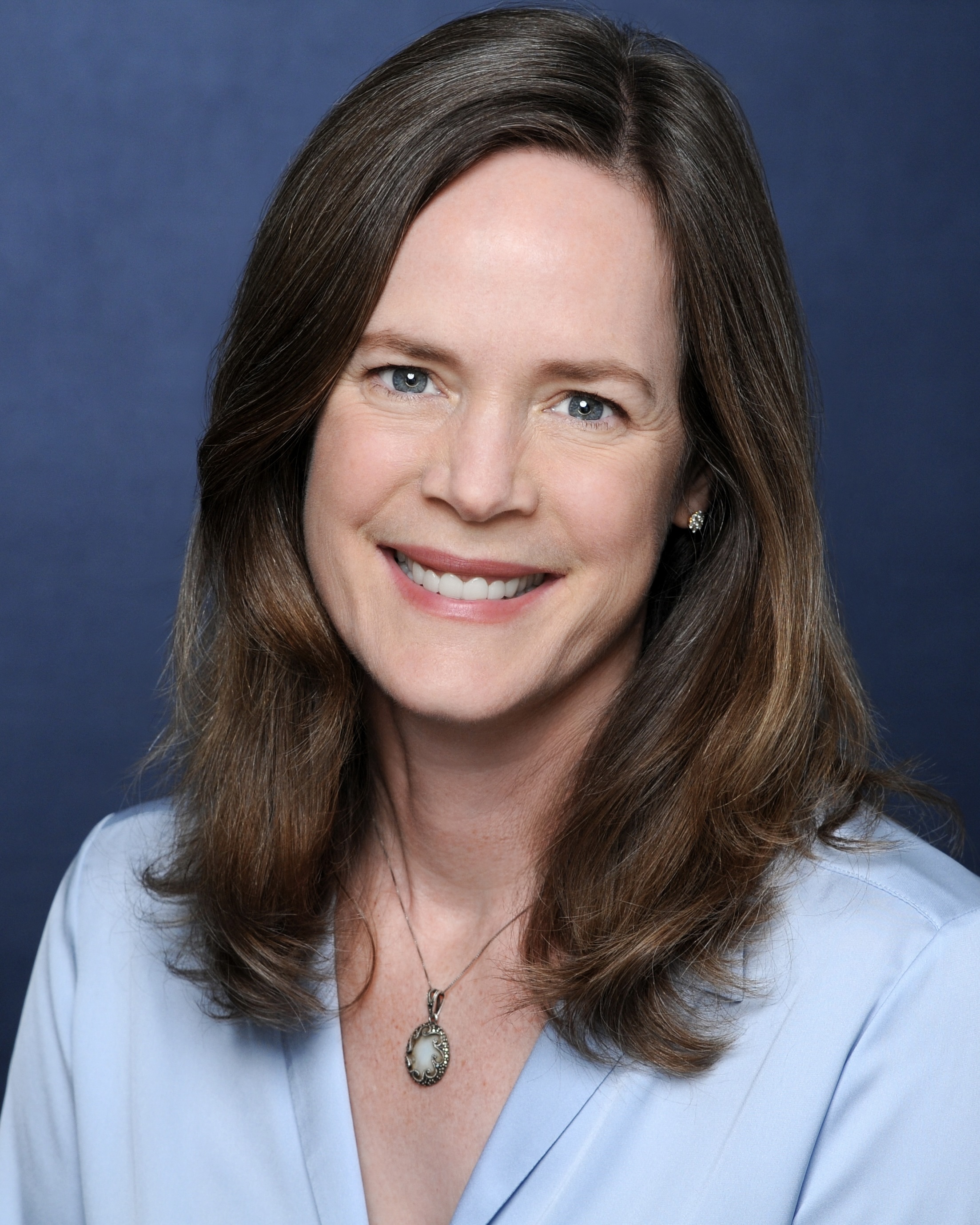
Dr. Jennie L. Durant received her PhD at University of California, Berkeley in Environmental Science, Policy, and Management, and an M.F.A. in Writing from Saint Mary’s College of California. She did a USDA-NIFA postdoctoral fellowship at University of Oregon (in Ponisio Lab) and U.C. Davis (in Galt Lab). She was also a Science and Technology Policy Fellow with the American Association for the Academy of Sciences (2021-2022), posted at the US Department of Agriculture, where she worked on pollinator policy and helped coordinate USDA's Climate Hubs.
Jennie's research aims to understand transitions (and barriers) to just and sustainable food systems, as well as the drivers of bee declines and potential solutions to strengthen pollinator health. Her social science methods include in-depth interviews, surveys, and participant observation--as well as analysis of historical documents and agricultural statistics. You can check out her publications on this website or on Google Scholar.
A California native, Jennie has lived and traveled around the world, hiking 1000 miles of the Pacific Crest Trail in California and Washington, living in Turkey and Italy, raising bees, and volunteering on an organic farm in the Philippines. In 2007, she was a Fulbright scholar in the Philippine rice terraces to study the socio-ecological consequences of introducing hybrid rice to the region. In 2008, Jennie appeared in Oprah Magazine as one of 80 "Women Rule!" participants for her interest in honey bees. She was also chosen as one of Saint … Read More