


 Apple Podcasts

 Spotify

 YouTube

 Goodpods

 Amazon Music

 Overcast

 Castro

 PocketCasts

 Podchaser

 RadioPublic

 RSS Feed
HiveTracks, AI, and Smarter Beekeeping Records (410)
Keeping good colony records has always sounded easier than it actually is. Gloves, propolis, weather, time pressure, and multiple colonies can quickly turn detailed notes into a few marks on a brick—or nothing at all. In this episode, Jeff and Becky welcome back HiveTracks founder Dr. James Wilkes and co-founder Max Rünzel for an update on how the longtime beekeeping platform is changing.
HiveTracks now allows beekeepers to talk through an inspection while the app converts those observations into organized colony records. James and Max explain how voice input, photographs, weather, bloom data, land use, and colony history can provide the context needed to make AI tools more useful to individual beekeepers.
They also look ahead to what Max calls "community intelligence": using regional information to help beekeepers recognize changing conditions such as earlier swarming, shifts in bloom timing, or other seasonal signals.
The conversation explores why an AI tool with access to your actual colony history may provide more relevant guidance than a general-purpose chatbot—and why the beekeeper still needs to remain an active part of every decision.
James and Max also discuss HiveTracks' growing work beyond managed honey bees, including habitat monitoring and broader pollinator health.
Also in this episode, Becky answers a Hive IQ listener question about the research behind the honey bee propolis envelope.
Websites from the episode and others we recommend:
- Western Apicultural Society of North America: https://www.westernapiculturalsociety.org
- Honey Bee Health Coalition: https://honeybeehealthcoalition.org
- Project Apis m. (PAm): https://www.projectapism.org
- The National Honey Board: https://honey.com
- Honey Bee Obscura Podcast: https://honeybeeobscura.com
Copyright © 2026 by Growing Planet Media, LLC
______________

Beekeeping Today: A Practical, Seasonal Guide for Beginning Beekeepers
Whether your goal is to harvest honey, support local pollination, or simply enjoy a fascinating new hobby, Beekeeping Today (Lyons Press |On Sale 01/19/2027) provides a solid foundation for anyone interested in keeping honey bees.
Available for preorders now!
______________

______________

Betterbee is the presenting sponsor of Beekeeping Today Podcast. Betterbee's mission is to support every beekeeper with excellent customer service, continued education and quality equipment. From their colorful and informative catalog to their support of beekeeper educational activities, including this podcast series, Betterbee truly is Beekeepers Serving Beekeepers. See for yourself at www.betterbee.com

This episode is brought to you by Global Patties! Global offers a variety of standard and custom patties. Visit them today at http://globalpatties.com and let them know you appreciate them sponsoring this episode!
As a beekeeper, you want products that benefit you and your bees. When you choose Premier Bee Products, you choose hive components that are healthier for bees and more productive for you. Because we believe that in beekeeping, details make all the difference. Premier Bee Products: Better for bees. Better for beekeepers. Use promo code PODCAST for 10% off your next online order.

Thanks to Strong Microbials for their support of Beekeeping Today Podcast. Find out more about their line of probiotics in our Season 3, Episode 12 episode and from their website: https://www.strongmicrobials.com
HiveIQ is revolutionizing the way beekeepers manage their colonies with innovative, insulated hive systems designed for maximum colony health and efficiency. Their hives maintain stable temperatures year-round, reduce stress on the bees, and are built to last using durable, lightweight materials. Whether you're managing two hives or two hundred, HiveIQ's smart design helps your bees thrive while saving you time and effort. Learn more at HiveIQ.com.

We'd like to thank Vita Bee Health for supporting the podcast. Vita provides proven tools for controlling Varroa—from Apistan and Apiguard to the new VarroxSan extended-release oxalic acid strips—helping beekeepers keep stronger, healthier colonies.

Thanks for Northern Bee Books for their support. Northern Bee Books is the publisher of bee books available worldwide from their website or from Amazon and bookstores everywhere. They are also the publishers of The Beekeepers Quarterly and Natural Bee Husbandry.

Thanks to Bee Culture, the Magazine of American Beekeeping, for their support of Honey Bee Obscura. Available in print and digital at www.beeculture.com
_______________
We hope you enjoy this podcast and welcome your questions and comments in the show notes of this episode or: questions@beekeepingtodaypodcast.com
Thank you for listening!
Podcast music: Be Strong by Young Presidents; Epilogue by Musicalman; Faraday by BeGun; Walking in Paris by Studio Le Bus; A Fresh New Start by Pete Morse; Wedding Day by Boomer; Christmas Avenue by Immersive Music; Red Jack Blues by Daniel Hart; Bolero de la Fontero by Rimsky Music; Perfect Sky by Graceful Movement; I'm Not Running Away This Time by Max Brodie; Original guitar background instrumental by Jeff Ott.
Beekeeping Today Podcast is an audio production of Growing Planet Media, LLC
** As an Amazon Associate, we may earn a commission from qualifying purchases
Copyright © 2026 by Growing Planet Media, LLC

0:00 Hi, I'm Cody Smith with Bees Nuts Apiaries in Green County, Ohio at the Ohio State Fall Conference Welcome to Beekeeping Today Podcast. Welcome to Beekeeping Today Podcast presented by Better Bee, your source for beekeeping news, information, and entertainment. I'm Jeff Ott. And I'm Becky Masterman. Today's episode is brought to you By the Bee Nutrition superheroes at Global Patties. Family operated and buzzing with passion, Global Patties crafts protein-packed patties that'll turn your hives into powerhouse production. Picture this: strong colonies, booming brood, and honey. Flowing like a sweet river. It's super protein for your bees and they love it.
0:42 Check out their buffet of patties, tailor-made, for your bees in your specific area. Head over to www. globalpatties. com and give your Hey, a quick shout out to Betterbee and all of our sponsors whose support allows us to bring you this podcast each week without resorting to a fee-based subscription. We don't want that and we know you don't either. Be sure to check out all of our content on the website. There you can read up on all of our guests, read our blog on the various aspects and observations about beekeeping, search for, download, and listen to over 300 past episodes, read episode transcripts Leave comments and feedback on each episode, and check on podcast specials from our sponsors.
1:29 You can find it all at www. beekeepingtoday. com. Thank you, Cody Smith from Bees Nuts. your wonderful opening from the Ohio State. Yeah he he was should I say the name of my company? I said yeah go ahead if that's the name of the company. Bees nuts Uh gotta tell me more. You've got let's give him a full-blown ad. What is bees nuts? He did not go into it, but he would he listen to the show all the time. and has been listening to it for his entire time of keeping bees. So uh, you know. Cody's a smart beekeeper then. Well that's fantastic. I'm a little disappointed in your journalistic uh prowess because Who what why and when and where we yeah, let's let's do a deep dive at this point.
2:17 But Cody, you are going to have to email us and let us know some history there of that name of your honey company. And Becky, I had a great time with the Ohio State Beekeepers Association just recently and you know, Ohio State has a long history of beekeeping. Oh, it does, doesn't it? It it's a Very central beekeeping state to the US. So it is. Bee Culture, yeah. You know, Langstroth was there Uh I spent the weekend with Dr. Jim Too from Honey Bee Obscura, and we talked a lot about the bee houses that are speckled throughout Ohio, which Which are of the houses. Yeah, they're old. Go ahead, Share. No, no, it's cool. It's it's it's Victorian houses.
2:58 They look like you know old wooden Victorian houses that you find in the Midwest. But they have a room in the attic that was dedicated just to bees. And they would have maybe a a special closet or a pantry opening in the wall. Where they keep the bees and with an outside opening and there are a select few beekeepers around that know which houses have those and it's hard to get in them, of course. This is my dream. I want this in a house. It would be so much fun. Yeah, I I think of a little spire or something like that. Go up the stairs and keep your bees and it's kind of like a bee hut. I wonder if there are city rules about keeping bees in the house versus outside of the house.
3:40 Hmm. Good question. Is this a workaround? Is it it might be a workaround, yeah. It could be like, hey, I don't know, like but of course, you know, what you don't confess to is Nah, we're not condoning keeping bees on your property without uh where it's not permitted. But fascinating area of the country for bees. It was a great conference. There were a lot of great speakers there, a lot of great people. I look forward to going back someday. Oh, that sounds like uh it was a great return home for you. It was, yes, it was. So what have you been up to? Hey, I actually I was talking to the Ohio Beekeepers while you were in Ohio. But I was actually still in Minnesota, but I did an online presentation for a fantastic group.
4:29 The Southwest Ohio Beekeepers Association and my friend Yasser does a killer lineup of speakers. Now I say that being on the lineup was I was greatly honored. But I also, you know, when you get asked and you look around and you go, Wow, I'm really lucky to be among these people. So So he's got a monthly webinar series and even though it's it's the Southwest Beekeeper, Ohio Beekeepers, it does attract beekeepers from across the country. And it was just it was great fun. So that's what I did on Sunday night while you were in Ohio. So we were both kind of in Ohio. That's great. At first I thought you said when you said you're on the phone with Ohio Beekeepers, I thought they were calling to complain to you that I was there and You weren't there.
5:13 That didn't happen. Well, that's good. They had a booth there. I met some great beekeepers from southwest Ohio. It's it's it's a good state for beekeeping. It is, it is Becky, for today's HiveIQ, Hive Tool Promotion, we have a question from Blaine Nay about the propolis envelope being from the University of Minnesota. And work with Dr. Marla Spivak. You might have a little bit of experience with propolis, and I thought this was a great question for us to answer today. No, that's fantastic. I'm gonna read Blaine's question in part and then we'll let you answer it. He says propolis is reported to have antimicrobial properties, and the propolis envelope reportedly improves the health of a honey bee colony.
5:57 He goes on, he says, Everything I read assumes that this propolis envelope makes the colony healthier. He writes, In fact, I find no scientific paper showing a colony health difference between a hive with propolis covered walls and a hive with clean walls. Is there any actual research showing this assumption to be statistically true? Whoa, did he ever walk into that one? Yeah. How much time do we have, Jeff? Yeah, he He threw down a gauntlet on that one It's a good question, Blaine, and I'm I'm glad you asked it. It is a great question. And I think it's important to ask to ask questions. and it br it brings up I think something that's really important is that the answer is yes. There are there are several papers and actually a few PhDs where their work literally was just getting at the answer to this question.
6:46 So and coming out of the University of Minnesota specifically. And and a master's degree. Okay. So there's there's a lot of information and we can put the link right now, even LaMarla Spivek has retired from the university. There there maintains a page with some of her research and studies on propolis, peer-reviewed published papers. We've got one, two, three, four, five, six, seven. Eight, nine, ten, eleven, twelve, thirteen, fourteen, fifteen, sixteen, seventeen, eighteen. So So they go they go way back. Um some of those were were done uh in studies that Marla cooperated with people in Brazil, researchers in Brazil.
7:30 But there's some some great information and some great review papers and I'm gonna say a couple of things. One one of the things that they found is that it wasn't all propolis makes the difference It really was that it had to be heavily deposited around the brood box. So that that changed things because the recommendation used to be, you know, scratch up the box a little bit and get some propolis. But it turns out it did have to have like a critical level. And that's what the bees do in nature is they have a propolis envelope and if they're going to be in a tree cavity. So so it that makes sense, right? The more the better, if that makes sense.
8:11 But the other thing that they found over time is that they've done a lot of different studies, but the propolis actually will it has an antimicrobial effect, but it also quiets the bees immune system. And so the the value of reviewing that work, it goes deep. One, um, Michael Simone-Finstrom, who is a uh researcher, a lead researcher at the USDA B lab in Baton Rouge. He did his work on the propolis envelope Dr. Renata Borba, who's up in Canada, did her work there. It goes deep. So I really recommend that you take a look at that page. And it's something that you can kind of get excited about because it's it's really taking what the bees do and putting it in your colonies to help them stay healthy without, you know, adding a chemical.
8:58 It's it's the bees collecting their own chemicals. Can I ask a follow-up question? You can. You can. I'm surprised you want me to talk about this anymore because I'm very excited about it, but we do have other things to do today. Well we do, we and we have guests coming up. But the quick question is I heard just recently there was a discussion about propelis. Someone mentioned that the propolis needs to be refreshed regularly by the bees. To maintain its antimicrobial properties. And I hadn't heard that before, but doesn't mean it that it's not true. I was just oh I hadn't considered that, but I suppose it's possible. sense that because it's a volatile, so it does make sense that it would you would need to continuously apply it, but I don't I haven't read that paper, Jeff.
9:43 So so did you see it in a presentation? No, I was a couple of beekeepers talking and, you know Probably probably all depended anyway, son. But at the same time, I don't know of any actual recommendation where you should be scraping the propolis and then and then having them put it back Or burning it off or anything like that. So I would have to do another deep dive, but maybe we find somebody who wants to talk about propolis and we bring them on the podcast so that it can be more than recounting papers and and reviewing uh thr what I remember through sitting through some PhD defenses about propolis, which it's it's really cool Blaine, thank you for your question.
10:24 And I think that does warrant a new episode topic down the road here. Let's get an update. Also, Blaine, keep questioning. Keep questioning. I think that's that's so important because we've we've there are a lot of things that we tell people that sometimes we're just repeating things and that we heard a long time ago that that everybody just kind of thought that it made sense. So, you know, keep questioning those things. I really respect that blane. Coming up we have the return of a guest who's been with us since the first years of the podcast. James Wilkes and Max Rünzel of HiveTracks. Look forward to talking to them and getting caught up. For more than 45 years, Betterbee has proudly supported beekeepers by offering high-quality, innovative products, providing outstanding customer service.
11:14 Many of our staff are beekeepers themselves. And sharing education to help beekeepers succeed. Based in Greenwich, New York, Betterbee serves beekeepers all across the United States. Whether you're just getting started or Season Pro, Betterbee has the products and experience to help you and your bees succeed. Visit betterbee.com or call 1-800-632-3370. Betterbee, your partners in Betterbeekeeping. Hey everybody, welcome back sitting around this great big virtual beekeeping today podcast table.
11:58 We have our good friends from HiveTracks sitting in North Carolina. We have James Wilkes and sitting now in the West Coast, Max Rünzel. Hi fellas. Welcome back to Beekeeping today. Thanks so much, Jeff. It's really good to be back. I love talking with the two of you because you inspire me to be a better beekeeper. That's high praise. Thanks. Yeah, we w we we're talking about citing people. I look up the yours as well, so there we go. The very first time you were on the show was back in our very first season. You were in episode double oh seven. Does that mean anything to you? Back in July eighteenth, twenty eighteen. I didn't realize it was that long ago. Yeah, it's kind of a different universe in a lot of ways, right?
12:40 Yeah. Yeah. I think we still had Sinclair computers back in twenty eighteen, didn't we? We just had the little Well, one actually one thing that's been interesting and I teach computer science classes in and history and you know how long ago things happened One thing I've been emphasizing is the first iPhone was in 2007. That is not very long ago in terms of history. So just Since we're talking technology and stuff, just keep that in mind as a signpost. 2007, first iPhone, you know, so mobile devices didn't exist before that. So anyway, that that's a good place to start. Had the Nokia flip phone, yeah. An iPhone, if it walked into a bar, could not order a cocktail.
13:25 Well there's a person. Yeah, there you go. Let's do the That is funny. You have to leave your iPhone at at the front door, sir. It's not twenty-one. That technology is not old enough. In Europe it would allow to, so that's all right. Oh, that's true. That's true. For our listeners who are new and have not heard from either of you before or about Hive Tracks, James, I'll pick on you since you're the first one on the show. Can you tell us a little bit about yourself, and then we'll go to Max, and also tell us about HiveTracks. What is HiveTracks? Hi, everybody. James Wilkes here, and I'm a computer science professor.
14:09 of the last 34 years. Uh PhD in computer science. Also have a family farm where I'm a kind of a sideliner beekeeper. and make sourwood honey as a specialty crop and been doing that beekeeping itself for about 26 years now. And yeah, created HiveTracks back in first idea for HiveTracks originated in 2008. So we're coming up on 20th anniversary of the the original idea and uh iterating since then on the concept and the tech and beekeeping marriage that's kind of been a good chunk of my career. So that's a little bit about me.
14:50 So to be in it, my name is Max Rünzel. I uh have a background myself in rural development and food and resource economics. Started my career uh at the UN working for the Food and Agriculture Organization, primarily working with smallholder producers both in agriculture and apiculture, so both beekeepers and And farmers and one of the coolest things that happened while working at the UN was meeting James at uh one of the conferences there and We immediately clicked and he invited me over to come to North Carolina in now late twenty nineteen. So we started to partner up and get HiveTracks on the road. So I would say I'm I'm part of the last quarter of the twenty uh an an anniversary almost that we've spent a along with, which is really interesting.
15:35 and I think much of what brought James and I and me together on this is The journey of how can technology facilitate what we have to do in the field. Right. So it's always been the the journey of high high -tricks has always been centered around these three questions of Is this normal? Am I doing this right? And what should I be doing next as I'm standing in front of my beehive? And I think the the only thing that has really shifted and changed is that the way we interact with technology and what kind of technology is there to assist us and how we deal with technology to do that really well. And I think that is something that started primarily with a web application and then went over cloud and mobile applications and now I think with the AI native setup we'll get more into that.
16:21 We're we're looking more at at speech and we're looking more at kind of like direct language conversations to interact with technology. But I think at its core it's really better understanding first how the hive is doing as as a as a point. what we are doing as beekeepers to maintain the hive and keep better records around understanding what we ought to be doing, should be doing, what we have done to determine the health of the hive. And then something that I'm very excited about and we've delven more and deeper and deeper into which is the the habitat, right? So what's the environment of the actual hive that a hive sits in, which has been much of our focus over the last two years, really diving into getting a better understanding of the environment's impact on the hive, the hive impacts on the environment and everything that grows and is being built around it.
17:10 So that in a nutshell basically is where we are today. It had been originally just an application you could use on your phone, but now you said you had the mobility of having a cloud connected And I assume now as you're talking about the environment in which the colony and the hive sits in, you're pol starting to pull that information into the decision-making tree, if you will. So that you're now you're tapping in a whole bunch of different data sources beyond just what the beekeeper is observing in front of them. Is that correct Yeah, those are the two. I think the two examples you gave are just prime examples for where, you know, technology has become much easier over time to use it. And I think most of our, let's call it data capture in the very beginning was surveys basically, right?
17:56 It's like fill filling out fields, which is a little bit better than writing down notes on a paper, but not that much. It's it allows you to like search it and But it's in terms of ease of use, it was it still presented some some barriers and sort of like the the the amount of time it took to capture information compared to what you got out of it. was not that different in a way. And I think what we're seeing now with the two examples you gave is fascinating because one is voice. Right. It's the number one thing that we've been seeing, which something we launched this summer in its initial iteration, the ability to be able to speak to. our app and be able to speak the notes.
18:37 So speak what I'm seeing in the hive, speak what I'm inspecting, what I'm seeing, what the things are that I notice. And then have AI transcribe all the information and field it in the right buckets. Right. So basically dissecting what was said and how do we now store the data in a in a way that is meaningful and can be analyzed after the fact. So removing the heavy lifting and of course also the fact that I may be, you know, troubled with propolis or have gloves on. So that's one one one piece that the voice just as a as a data entry. And then the other one you mentioned is exactly the same as is images. right, the ability to analyze an image to have an object identification. We do this primarily in plants, right?
19:17 So looking what is in bloom and and it flows, other other pollinators as well. But those two are just fantastic examples where the sh the the technology augments what we already do as humans, right? We always wanna wanna use technology to make us better, not replacing us, but to give us just a little bit more knowledge under our fingertips, a little bit more as a as a sidecar almost to become better and having to spend less on the tedious tasks, maybe. And I think you mentioned this as well as is like third party data sources, you know, accessing other what I would say data layers you know, in addition to what you as the beekeeper observe and collect, but the third party data sources then really are filling out the picture and and Connecting those to what our hive tracks data with the other data, such as the weather, blooming data, land use, all these different things that are that are out there.
20:13 that our technology has gotten much easier for us to put those layers together and to analyze them and give that back to the beekeeper again as information for them to make better decisions. And that's real again back to my seminal idea in 2008, it was I was in the bee yard and said I had this new device that had just come out, right? The mobile device. And I was like, this ought to give me an assist. It ought to give me an assist. It ought to help me be a better beekeeper. And that's as true today as it was then. It's just different modes of delivery and what we can say, what we can discern. We're still iterating on that. And the data piece of this and we can get more into that, but the data has become even more important , not less important in the current technology environment.
21:02 I like your emphasis because I have a presentation I just got back from the Ohio State Beekeepers Association meeting where I did a presentation on technology in the bee yard And I state in the presentation that you're in the number one piece of technology that all beekeepers carry anymore, the most important one is their mobile device. And if you can incorporate that, like you were saying back in two thousand eight, into how can this help me in what I'm doing today? They have that in their pocket right now. That's the purpose of HiveTracks is utilizing that technology and bringing information and resources closer to them in the bee yard. I like that. I like that a lot. And I think the as you were saying, James, we've spent Becky, this is part of your background as well.
21:45 I mean, how much time have we spent to standardized data or to try to make sense of data or like organizing data. And I think that's another piece where AI has been so incredibly helpful of like taking very diverse types of data and diverse inputs and making them useful and then giving them back to the user to have the right information at the fingertips when they when they when they need to without having to rely too much on Analysis or like something that needs to happen there. So I think staying James and I talked about this yesterday, staying connected to the real problem, like what is actually out there and what is it that we need to be solving and what will still be true five years from now, right?
22:27 Five years from now we will still Be keeping bees, we will still be making honey, we will still be looking out for them, and we will have trouble when there's health issues coming up. But then thinking about these first principles about what will still be true and now How can we think about technology in those ways as well? I think it's something that has just proven to be the right strategy and it's something that it just excites us because the only thing we know for sure is that it will keep changing. Can you just take a few minutes and step us through how a user would utilize HiveTracks? In the field. So I'm Jeff, I don't know anything about HiveTracks. I have it on my phone. I walk up to my beehive. My colony, my box on the ground, and I'm thinking I'm gonna use this app.
23:11 I click on it, it opens up. What do I do Yeah, you've created, you know, you've created your API, you've set up your hive, right? So there's a there's a location, you get your weather information pulled in. The number one thing that people use the most is the inspection, right? It's like 50% of all of our records is the hive uh inspection. And the the new way of doing it is starting a hive inspection and hitting record button And when you hit the record button, you can start to talk to your app and say, I'm in front of this hive. This is what I'm seeing. These are the brood stages. Am I seeing the queen? What are the food stores looking like? What is the population size?
23:51 Any notes? So it's it's a free text, the way that you would the way that you would call maybe like Jeff, you would maybe like, you know talk to James about this. The way that you would just share these notes or talking to the machine. Basically a play by play. A play by play a play play by play. It's free for him and then and then obviously you get you get a little bit of prompting if you'd like to, but it's free for him. And then when you when when you're done and this is Something t try to keep it under ten, fifteen minutes, right? So below podcast length. That's sort of like that's what we are we just I talked about this this morning and I was like Two users who said this isn't working. And then we looked at okay, what have you tried to upload? A twenty-nine minute recording of your monologue in front of the hype.
24:34 So keeping it below, you know, keeping it below the 14 minutes And then basically you know you hit the I'm I'm done, thank you. And then you can set the app aside because then it it does its magic as in like going through the transcript, organizing the transcript. generating the information, filing the right information in the right fields of the database. You know, the the the food stores question, the population question, any stressors or diseases questions, anything, the bees calm, anything that you notice, it gets filed the right way. And then it gets organized for you to review the data and gives you the recommendations on what on on the things that need you need to be on the lookout for. And that's basically where sort of the initial data entry starts as a baseline and with that over to you James to see how then on the beekeeper front you can continue through the season with this information.
25:23 One more thing on that, though, it takes unstructured the the kind of the new thing this year, I guess I'd say, you know, from from the voice inspection is it takes unstructured data like I would normally do in my notes section of Hive Tracks or if you're just kind of free forming, I have my own sort of Actually, uh this is from old Be Informed Partnership days of Sentinel Apiary. I had my way of doing Sentinel Apiary and marking all the things and it maps very well to the hive tracks components, right? and so It takes however you describe those main fields and maps it to the structured data you know that's in the database.
26:06 So again that it can be you know sliced and diced and analyzed that way. But it allows this sort of unstructured format for that. So anyway, that's kind of the innovation this kind of in in the in the app for this season. Then beyond that, it's as you said Jeff, taking images if you've got your phone I've got sort of a best practices with hive tracks. I did it with uh Wake County Beekeepers this year. Kind of here's the best practices. This is how I use the app when I go into my hives and These are the set of pictures that I take. Configuration before, configuration after, brood pattern, honey stores, whatever anomalies. If I see something weird, I'll take a picture of that, right?
26:48 and so there's kind of this this secondary piece of images that if you really are you know want the images, which I think you should, that they're very powerful, you know, that's the other component to that. and and even has sort of long term sort of value. from a data perspective. But then outside of that, you know, just I have this sort of flow with the app that I enter a record that I visited the apiary, just sort of this this why did I go here? And then any actions, additional records that I keep. And what that does is it shows up in the history of any hive I can just scroll back and it's like the hive 's story. I mean we have this honey story thing that we you know that we promote.
27:31 The hive itself has a story and I do a in a lot of my talks, it's like every hive. is an individual. I mean, it has its own unique characteristics, its own beginning, you know, life cycle and all these kind of ups and downs, right? And the bigger you get, the less that those y you you notice all those stories but but for the hobbyists and stuff I mean they all I mean they're they're pretty attached to their colonies and you can scroll back and hive tracks, especially in mine, the way I use the record labeling and stuff. And it is a story. I mean, it's it's a narrative of what happened with this hive over the season. And again, that's part of what, as a beekeeper, knowing, you know, this particular hive, what it needs, where it his current condition.
28:12 That's all to me part of being a good beekeeper. James, are you doing the hive story for a subset of your colonies? Are you are you managing both kind of as a sideliner? Wait, how many how many cus I know your h your son's working too, but but could you kind of expand on like the different uses for the different size user? So Solomon handed the whole beekeeping back to me, actually. Really? It's it's all mine. Oh oh my goodness, Sullivan was doing so much. Okay. Uh oh Yes. Yeah, I mean he was a hundred and fifty hundred and fifty to two hundred colonies. And I don't know if we talked since the Hurricane Helene came through western North Carolina. That essentially wiped out our hunt our B operation.
28:55 All our colonies, all my equipment, whatever. And that's when it transitioned back to me. So I've built from zero the last two years and really underst felt, you know, what it takes to run that business again. So anyway, and I've been pretty religious in the hive tracks use, especially this year. It is difficult for for the, you know, if you have larger numbers, and I have some that are sort of individual, smaller apiaries. I do this backyard beehive, like in people's yards, and actually I share those stories back with them. It's kind of a cool concept you know, where they want to see this is the story of your hives. They can even participate, but that's a separate subject. But for my big production hives, yeah, I can I can do sort of bulk updates of those.
29:39 and so I say I do an apiary visit or I'm I'm pulling honey or um just checking sour wood flow, I mark all those hives. So they get they get that kind of same record in their story, which is true. I mean that's what's happening. and if there's some sort of anomaly in there, which is really what we look for in beat. I mean if if you're in a big yard It's the anomalies, it's the is the ones that aren't right that you need to look at. So that's still the case and those get marked individually. So that that's kind of, you know, without going into much more detail, but I do use it both ways and more detail. on some depending on who that information is for. So that information is for a third party who's looking in on on what's going on.
30:22 And we do that some on the hive track side as well. I'll let Max speak. That's sort of a business model change that we've had that might be worth talking about at some point. But yeah, depending on who is going to be consuming that data is is how I tell that story or how I frame that those notes for that person. And that also doubles into the honey story as well, because the honey story itself looks at all the records or you can use as many of the records as you want. So I can tailor that to the Honey Story itself. It just gives a lot of flexibility. And you're literally managing colonies that are producing honey that you are then bringing to the farmers markets and interacting with the customers.
31:05 So you've got big picture on on how the tool can be used. Yeah, absolutely. Yeah, and in lots of different lenses, if you will, right. That's one of the favorite things to pick up by beekeepers here on the west coast is when I come with a jar of sourwood honey from the Appalachians. That's something that is very much appreciated over here Let's take this opportunity to take a quick break and we'll be right back and continue our conversation with Max and James. Beekeeping is demanding work. The last thing you need is equipment that can't keep up. That's why Premiere B Products builds every frame and hive body in our South Dakota factories with one goal in mind: reliability when it matters most.
31:49 From our beefy pure frames to our natural Profila hive bodies with rough interiors, we Designed for long life in the field and in the colony. Because we believe that in beekeeping, details make all the difference. Premier Bee Products better for bees, better for beekeepers. Visit online at premierbee. com. com products dot com or call us today. Use promo code podcast for 10% off your next online order. Beekeepers, if you're looking for a smarter way to support colony health, take a look at bee bites from strong microbials.
32:29 Bee bites are a new protein patty made with spirulina, chlorella, and targeted probiotics. Designed to support new. nutrition without creating new problems in the hive. With 15% protein, bee bites are unique because they do not attract small hive beetles, a big deal if you've ever battled infestations during feeding. Strong Microbials has been supporting beekeepers And farmers since 2012, developing high-quality commercial probiotics and nutritional supplements you can trust. Learn more about Bee Bites and their full line of bee nutrition at strongmicrobials. com. Welcome back, everybody. Okay, Max and James. I've been working with beekeepers and I talk to beekeepers a lot and one of the I think the biggest issues that beekeepers have when they're starting out is that they learn how to keep bees and the best that we can do when we're instructing them is give them a calendar of like about when things happen and then they're surprised when they're bees warm.
33:30 So, okay, I just jumped. But but there are I've seen I've seen it and I actually just talked to a bunch of beekeepers in Minnesota who are seeing colonies swarm earlier and earlier and I divide my colonies earlier and earlier because I know that they are full of brood and food and bees So I'm wondering if if in using hive tracks if there's if there's an alarm that goes off when you say, say it's April and my colonies are, you know, bursting out of too deep, full of brood, because What the beekeeper should be looking at is if it's full of brood, next time you visit it's going to be even more full of bees.
34:14 And so is there anything that like I just I can see the cell phone just beeping, flashing, and buzzing until they divide their colonies based upon what the colony looks like, not that in two weeks that's what the calendar said. So I think it's it's it's a really it's a really good question. I think so we've had we would file this under what we call community intelligence, right? So it's sort of like it's how can we be aware of what other people are doing. Around us, right? And how can we sort of like get alerted if something is earlier or later than it was in years prior and This in particular, swarming is an example, the first inspections are an example, the first harvests are an example, where the timeliness is a mix between what other people are doing and how the environment is behaving.
35:03 And this is something that we're looking at very precisely for early next season. Right. Right now it's like the season is coming to an end. So we're going back to the drawing board and understanding what are the things that need to be in the app to make it easier for people to interact with other people. And repeatedly what we hear the most is it was voice. That was the number one feature request that people had. It's like we want to be able to do that. And then the second one is related to sharing, being able to share APIs with others, which we've w which we've started to do. And number three was this. you know, regional awareness, let's maybe call it that way and in a very timely manner. So exactly as you said, can that be One integrating with other platforms that already do some kind of alert systems that already exist that could just funnel through and share the information around SWIM information, for example.
35:55 But then also seeing that a lot with the blooming information that we capture a lot, right? So understanding, oh, we're actually seeing that, you know, maple is such a good example because it travels up the entire East Coast. But when you see something in bloom that wasn't supposed to be a bloom just two years back or like a year back it's like, whoa, this is usually four weeks out till this happens and it already has happened. So seeing these early indicators enough to translate them into something for the beekeepers to be aware of I'm not sure whether we get the flashing light all the way that you are pitching it right now, Becky. But we will show you like the moment we have something to show you. You're gonna be one of our first testers and we're gonna be like, okay, is this Is this flashing enough?
36:35 We may have a little ringtone, maybe with your voice even. But jokes aside, it's like this is I think this the again, the ability to We've been a lot focused a lot on data entry, making that very easy. And now it's sort of like what is the data playback, right? What is the insight, the data playback that we give to users that is aware of what other people are doing? While maintaining privacy in a really meaningful way, I think is the is sort of the next frontier and something that we're incredibly excited about for for next season I just think that would be so helpful. I played around with actually last spring. Are you familiar with the Phenology Network, the map which shows spring and how far it's ahead or not? I think that one is a really valuable tool for beekeepers to look at and would be something you could key off of.
37:20 I've looked at that as feeding it into hive tracks as another like one of these third party data sources that you know, where in your and I actually I mocked this up. I did it as a use case where, you know, for a particular yard, Phenology Network says you're ten days ahead of spring or whatever, you know, so you get at least some sense of of what and this is real data. This is real stuff that's happening, you know. Yeah, I love that, but it's it is also a combination of the resources that are feeding it and then just how big your colonies came through spring. and so I think it's like this nice connection, like you said, with sharing information and then looking at the actual data.
38:02 Part of that's just getting to be a better beekeeper, right? I mean that's that's you know, I can't I can't help people use the information that they have to to make good decisions. I mean that there's some they have to participate. And and flashing lights and and that's that there needs needs to be, you know, some initiative as well. I'm just saying. No, but I I don't no no here here here's a valid point. I'll let you follow. Don't don't make the technology bear more than it should in terms of what you're expecting it to do. There there's still you still need to be an active player in the equation and don't make it carry more than it's designed to carry.
38:47 Maybe that's a better way of that's a that's a good stick. That's fair. But I will also say that there are unsuspecting beekeepers out there who are doing their darndest to like bring in all this information. And if they enter Oh, I counted ten frames of brood. That's when that's when the alarm goes up. No, being able to translate that in the rank order of like what is important when. I think this is yeah. It it seems like we'll have a great conversation come early January So I'm gonna have the I'm gonna have the Becky alarm. Yeah, yes, let's call it the Becky alarm.
39:32 texting campaign ads and stuff right now, right? Well I do have another request. But Okay, since we're naming something and you brought it up the whole texting part, I would love it if when I say I need to bring a bottom board to this apiary next time I visit I'd love to get that text in a week saying, don't forget that bottom board that you said you needed to bring. Yeah, I agree. Bo both of those, right? Do it like it again. When is when is we have two months till NAHBE? Like what is the you know, roughly a little a little bit less than that, Jeff? So like um we'll we'll we have our you know homework to do. Hey, just jump back real quick.
40:12 You call it the phonology? I'd like to put that link or that address in our show notes so people can explore that before it gets to the Hive Tracks app. I've not heard of that. That sounds pretty cool. Oh, you totally should look that up. It's a cool site. Bekeepers are using AI like crazy and and I've been testing like like an AI chatbot and finding all sorts of problems with using AI like crazy. So so could you just share why it makes sense to use it within an app that is going to be I think a little bit more sophisticated than having a conversation with a chatbot? Yeah. This is that's a very good question, Mickey. Thank you.
40:52 And I think it Much of it boils down to context, right? So much of it boils down to awareness and context of who you are, where you are, and what you've done in the past. to be able to give you good answers moving forward. So there's essentially two things that are really important to know when dealing with you know, any kind of LLM, if you will. And the context is one of them, so it can only operate operate based on the information that is put in. And if it has You know, it is not privy to all the conversations and not privy to all the things that are relevant, the advice won't be as good, right? It's it's sometimes as it happens with with humans. And then the other one is Let's not forget that they are at the end of the day it's all about probability.
41:37 Right. So LLMs give advice and when formulate things based on the most likely word that is to come next. Which is why if you ask an LLM four times, you will get four different responses. Because it will always calculate what the most likely responses that you get from it. So those two phenomena are something that it allow us it is it is the most amazing thing about AI and the LLMs, but it's also the two building blocks basically we need to be aware of. I need to interrupt you because I have to ask my chat bot what an LLM is. Very good. And an L L M is basically what drives it's it's what drives the chatbot. So an LLM is a large language large language model It's just what they are.
42:20 I mean it's exactly it's it's whether you use Gemini or OpenAI or like any any of those. It's just to use basically the the term instead of saying the brand name. That's sort of like You use the chat but you also use use the other thing. So again, c context is what what makes it clear because HiveTrax knows how many hives you have, how long you've had them, what other people are doing in the area, where you are, what your configuration is, all of those. give you the guardrails within which you get really, really good answers, right? The better, the better you prompt, the more context you provide, the the clearer and more actionable your answers will become My understanding is it also depends on how the LLM was trained in many of the generic LLMs such as chat, GPT, or Gemini or Claude or whatever, are generalists.
43:08 They know a little bit about everything. All right. Are you narrowing down an LLM to beekeeping? Are you narrowing it down so it's not worried about Nietzsche or anything like that? It it's specializing in bees and beekeeping. Thanks for the German nod. Yeah. Yeah, Jeff. I appreciate that. Both is true. Both is true, right? So I think we're just gonna be kneelers with our bees. I mean both is both is you're absolutely right. Both is true. I think one it's it's less of an issue today than it was two years ago just because we have It has, you know, the training has been on on so much for so long now that it's getting just deeper and deeper in knowledge in more and more areas. That is true too. So the first the first principle is to provide better context.
43:51 And then the second principle is to just have it do more and more queries on things that are within the same lane. And this is another one where, as James was saying earlier the quality of the data re is or the importance of the data becomes more and more relevant because we can now look at years and years and years of inspections And reactions to inspections and movements of inspections, inspections on a meta-level throughout the season that allow us to provide better guidance because we see you know, what was done after certain interactions that led to what type of outcomes in the hive and how has it really helped the beekeeper. And that is incredibly relevant information for a more specified and helpful LLM in that regard.
44:32 One one comment. Becky, I know you've done some things with V Culture, you know. I've seen your articles, you know, playing with the AI chat bots and stuff. I appreciate no, I appreciate you doing that. I that it's it's good. It's good They've definitely gotten better in terms of just, Jeff, back to your question, kind of the generalist nature of them. They I've been trying them out, you know, over and they continue to get better at at giving good advice. But as Max said, I mean, give them more context and in your context, which is when when you have an app like HiveTracks. then you've got the context, you've got the data that then they give you advice that's that's more relevant to you.
45:14 And it's specific to your case. I mean I can ask now, like, I'm going to this yard today, tell me what I need to be looking for and and inside of HiveTracks with that data using using a tool to do that and it's it's pretty darn good at at what it's given me when it has my information. And so that I think that's still the selling point or if you will for having an app that has that data that you can then reference or that the tool can reference. It actually has real history that you've entered prior in the season. Or more accurate, right? More let's call it more accurate, yeah.
45:55 I love that it has history. That's again, it goes back to the hive history that James's talking about, goes back to the honey history. It's like that's at the end of the day what we're doing and it does it also just makes it so much it makes it so much more powerful. It allows us to do so much more that in the past cost time and resources. that we now can do. So I would say, you know, James and I talked yesterday and it's like I think this is the most exciting we've been in this journey that we've worked together ever because it's all of a sudden we can do so much more. with so much less. And uh yeah, we're really, really excited of bringing that into many more Beekeeper hands starting in twenty twenty seven Based upon what you just said, Max, about about how excited you are, where you're at, could you just maybe compare and contrast Especially if somebody tried HiveTrax out years ago, why maybe should they come back and try it again?
46:47 How has that user experience changed from years ago to a new user right now? Many people have experienced somewhat of the magic of AI in in one way or the other. I think it's like November twenty-two was sort of like this milestone, right, when the first you know, the version of it came out and I think we're we all remember what it was to like query it for the first time. Maybe the same way we all remember what it was to ask Siri for a joke or any of these voice assistants for the first time, maybe ten years ago or twelve years ago, right? It feels like it's a similar, similar moment like this. And I think experiencing that of like the first time that you notice like, whoa, this was really good.
47:29 This is like, this is what I wanted. And I think that the AI functionally like that with the knowledge and to framing what you have done in the past is is I think the most the the most exciting piece to not just have a cleaner UX UI. I think that's like the biggest change some time ago that the app feels It's it's it's mobile, it's native first, it works offline, it is it is easier to navigate, it's easier to offer to upload images. Those are all things that sort of like review as infrastructure that makes us just it's almost a little bit expected of an app in 2026. But then these little sparkles and sprinkles that happen through AI integrations, through voice, through image analysis, through automated recommendations and and data insights.
48:14 I think those are the things that can really that that can really help you have more joy and fun in your beekeeping and be more human and present with your bees and what you do. So I would say that's the biggest kind of like leap in what we've done in terms of user experience and interface. You said that very well. And I think the biggest piece there, the UX change that we had kind of post 20 teens, like 2020 and to now, just revamping the whole UX and deciding what data we believed is most important. for the health of your bees. That was kinda like I cut it down from more of a scientific approach early on.
48:54 And again, that was kind of be informed partnership days as well. I mean both of those were going on at the same time with with me and so reframing it as wow, that it's really good to have all that data, but we're never going to collect that data from the average beekeeper. So shifting the focus to These are the most important things. If you get these things right or or just monitor these core things, then you're gonna solve most of your problems, right? I don't know. Beginning beekeepers tend to, you know major on the minor things. There's like some core stuff. If you just get these things right, you know, you're gonna be good. and so that shift, I think, was the big one just from a baseline user experience. interface data that we were collecting.
49:36 And I'll say we are in the middle of a huge transformation right now. I mean I I feel it. I know it right now with the AI tools and things that are out there and I was again, Max and I were talking yesterday. It is such a flux, you know, a rapid change environment right now. It's it's super exciting and kind of a bit mind-boggling some of the things that the tools can do now that that have to me cr lowered the barrier to creation, to build things that have been in my head since, you know, a long time that I've never been able to build. and so it not to get too nerdy on the technology side, but the cost of building something now has gone way down or is going down.
50:26 And so now it's more what can I build and and the creative side and historically for me with with Hive Tracks it's always been there's a big barrier, a cost to to build out these cool things that we want to do, right? And now they're accessible and I my mind's going crazy on on the the cool stuff that we can can bring in and build and and is accessible that hasn't been in the past. And that's really what I'm excited about. And all these things you're talking about, kind of the the monitoring, you know, what's going on and and even the community intelligence piece, which we've had in there for I mean we've had that concept. It just hasn't the the technology to really make it pop.
51:07 and that's it's there now. I mean it's it's it's gonna we're having to decide which one of those cool things we wanna do first, right? But but again the technology cost of building stuff has gone down and we're figuring out how to leverage that. It's been a great update. Listeners can find out more from your website, hive tracks. com. Yeah, and we'll put the we'll put the links to download the app on on Google Play and Apple again. the app is free and uh you know four point eight ratings on both so users re are are are really enjoying it. So we put the direct download links for anybody to give it a try. When people go to our website, what are they going to see now? I mean it's it's a little different than what we've been in the past as a as a beekeeping app.
51:49 We're we're kind of in a a new space if you've got I think that's almost, you know, the episode on that. But it's it's as I said in the very beginning where Incredibly excited to go more into other types of pollinators and habitat health. So we've started to work with larger food and beverage companies and infrastructure companies to involve pollinator health, so all kind of both managed and m native pollinator health in their planning, construction, and management processes. And that's something that is incredibly exciting. So we've we're literally looking at pollinator health, abundance and diversity and how management practices, both in food and ag and construction, actually impact those and how we can track them over time to come up with new practices that are both pollinator positive, if you will, and resource efficient, meaning, you know, allowed to save costs.
52:46 and that is possible. and there's a lot more of that we'll be we'll be talking about over the next the next months and years. So more on that in the next episode, but just a little a little a little teaser to share and then be respectful of the time But if you go to the website, I mean that's what you're gonna you're gonna see, this kind of new direction that's beyond beekeeping directly Well, I appreciate your time today to update us on HiveTracks. It's as always, no matter where. It's fun getting together with you guys and learning more about what you're doing and how you're working hard to make uh beekeeping little bits I don't say easier, but more informed for beekeepers.
53:27 I love that. Love that. Thank you, Jeff. Thank you so much. Always a pleasure. It was our pleasure. Definitely. Thanks you too. Thanks so much. It's always fun. Jeff was Was it too much to ask for personal requests of our HiveTracks friends? Well, you should brand that, you know, Becky's button or Becky's Becky alert. That's good. Uh but I but I it's it sounds honestly like the rap is already ahead uh uh working on it and I love I love I just love the update of How much has changed in since we talked to them last and of course they're on top of it because both of them are so invested in technology, but it's exciting to hear that HiveTrax is moving forward so quickly with embracing all the tools out there to help beekeepers manage colonies.
54:19 Well and I agree. And we've talked about it f frequently throughout this year and last couple of years about the challenges and we've joked about it, the challenges about record keeping for beekeepers. Everything from, you know, sticks and bricks on tops of hives and notes inside the inner cover and to actually have an app that kind of is starting to pull everything in and utilizing the technology of the century, which is basically gonna be artificial intelligence. and utilizing that inside an app for beekeepers to help standardize their record keeping. I think that's wonderful as beekeepers were sitting here at the end of the year looking it forward to next year already.
54:59 You know, if you're looking to have a new way to keep records in your bee yard, I think this is a viable option that beekeepers should look at. We're wrapping up 2026, headed into 2027. It's probably a pretty good thing to put on your list. Betterbee keeping records. I mean I d I don't know that I've talked to a beekeeper who says who's ever said, My I have the best beekeeping records ever and I can't improve. I mean th I think using a tool can really make a difference in your in your yard or your yards or your operation. So I like that this one is easy to use and easy to buy into because you can start for free.
55:40 And that about wraps it up for this episode of Beekeeping Today. Before we go, be sure to follow us and leave us a five-star rating on Apple Podcast or wherever you stream the show. Even better, write a quick review to help other beekeepers discover what you enjoy. You can get there directly from our website by clicking on the reviews tab on the top of any page. We want to thank Better Bee, our presenting sponsor, for their ongoing support of the podcast. We also appreciate our longtime sponsors, Global Patties, Strong Microbials, and Northern Bee Books for their support in bringing you each week's episode. Thank you for listening and spending time with us.
56:21 If you have any questions or feedback, just head over to our website and drop us a note. We'd love to hear from you. Thanks again, everybody.
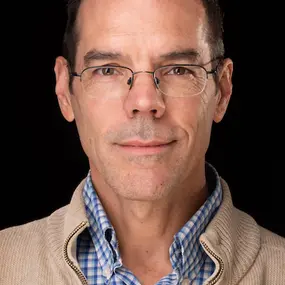
PhD, Founder - Hive Tracks, Beekeeper, College Professor,
James Wilkes is a beekeeper, college professor, farmer, and entrepreneur. With a career in computer science higher education (Appalachian State University) and years of practical beekeeping experience that includes building a small family farm and bee business (Faith Mountain Farm), his sweet spot is working at the intersection of computing and honey bees. He brings to life technology solutions that create a positive impact for honey bees and the stakeholders and food systems that depend on them and enjoys engaging the beekeeping community to improve our understanding and care of honey bees and the planet we inhabit.
James’ mathematics and computer science background (B.S. from Appalachian State University and M.S. and PhD. from Duke University) collided with farm and beekeeping life to create the environment for the creation and founding of HiveTracks as well as the genesis of the Bee Informed Partnership both of which were launched in the same week in August of 2010 in concert with the EAS conference in Boone, NC. Life since that moment has been full of growing businesses, research projects, honey bees, children, and relationships with people from around the world who share a common love of honey bees and their environs including the hosts of this podcast!

CEO
Max is the CEO and Co-Founder of HiveTracks. He joined HiveTracks following his appointments with the Food and Agriculture Organization (FAO) of the United Nations and the Consultative Group on International Agricultural Research (CGIAR), where he worked on digital tools to empower smallholder producers. Being fluent in six languages and having lived on three continents, Max believes in a truly global solution to improving bee health.


