Apple Podcasts
 Spotify
 YouTube
 Goodpods
 Amazon Music
 Overcast
 Castro
 PocketCasts
 Podchaser
 RadioPublic
 RSS Feed
 A Conversation with Beekeepers Quarterly (401)

Jeff Ott and Becky Masterman welcome Beekeepers Quarterly co-editors Dr. Andrea Quigley and Norman Carreck for an international look at beekeeping. They discuss Britain’s native Apis mellifera mellifera, locally adapted honey bees, the UK beekeeping education system, and the magazine’s global approach to beekeeping science and culture. The conversation also examines the spread of Tropilaelaps mites and the yellow-legged hornet and what North American beekeepers can learn from Europe’s experience.
Beekeeping challenges rarely stop at national borders. This week, Jeff and Becky cross the Atlantic for a conversation with Dr. Andrea Quigley and Norman Carreck, co-editors of the UK-based Beekeepers Quarterly.
Norman, a longtime beekeeper and bee scientist, introduces listeners to the UK’s extensive beekeeping education system and his work conserving the native dark European honey bee, Apis mellifera mellifera. The conversation explores what locally adapted honey bees can teach beekeepers about genetics, winter survival, colony size, temperament, and management.
Andrea then takes us inside Beekeepers Quarterly, an independent, internationally focused magazine published by Northern Bee Books. She explains how the quarterly combines practical beekeeping, science, conservation, and perspectives from contributors around the world.
The discussion also turns to two emerging threats with international implications: Tropilaelaps mites and the yellow-legged hornet. Norman and Andrea explain why early detection, understanding pest biology, and cooperation among researchers, government agencies, beekeepers, and the public matter—and what North American beekeepers might learn from the European experience.
It’s a wide-ranging conversation offering a decidedly international perspective on honey bees, beekeeping, research, and the challenges ahead.
Websites from the episode and others we recommend:
- Beekeepers Quarterly: https://www.northernbeebooks.co.uk/blogs/bkq
- Honey Bee Health Coalition: https://honeybeehealthcoalition.org
- Project Apis m. (PAm): https://www.projectapism.org
- The National Honey Board: https://honey.com
- Honey Bee Obscura Podcast: https://honeybeeobscura.com
Copyright © 2026 by Growing Planet Media, LLC

______________

Betterbee is the presenting sponsor of Beekeeping Today Podcast. Betterbee’s mission is to support every beekeeper with excellent customer service, continued education and quality equipment. From their colorful and informative catalog to their support of beekeeper educational activities, including this podcast series, Betterbee truly is Beekeepers Serving Beekeepers. See for yourself at www.betterbee.com

This episode is brought to you by Global Patties! Global offers a variety of standard and custom patties. Visit them today at http://globalpatties.com and let them know you appreciate them sponsoring this episode!

As a beekeeper, you want products that benefit you and your bees. When you choose Premier Bee Products, you choose hive components that are healthier for bees and more productive for you. Because we believe that in beekeeping, details make all the difference. Premier Bee Products: Better for bees. Better for beekeepers. Use promo code PODCAST for 10% off your next online order.

Thanks to Strong Microbials for their support of Beekeeping Today Podcast. Find out more about their line of probiotics in our Season 3, Episode 12 episode and from their website: https://www.strongmicrobials.com

HiveIQ is revolutionizing the way beekeepers manage their colonies with innovative, insulated hive systems designed for maximum colony health and efficiency. Their hives maintain stable temperatures year-round, reduce stress on the bees, and are built to last using durable, lightweight materials. Whether you’re managing two hives or two hundred, HiveIQ’s smart design helps your bees thrive while saving you time and effort. Learn more at HiveIQ.com.

We’d like to thank Vita Bee Health for supporting the podcast. Vita provides proven tools for controlling Varroa—from Apistan and Apiguard to the new VarroxSan extended-release oxalic acid strips—helping beekeepers keep stronger, healthier colonies.

Thanks for Northern Bee Books for their support. Northern Bee Books is the publisher of bee books available worldwide from their website or from Amazon and bookstores everywhere. They are also the publishers of The Beekeepers Quarterly and Natural Bee Husbandry.

Thanks to Bee Culture, the Magazine of American Beekeeping, for their support of our podcast. Available in print and digital at www.beeculture.com
_______________
We hope you enjoy this podcast and welcome your questions and comments in the show notes of this episode or: questions@beekeepingtodaypodcast.com
Thank you for listening!
Podcast music: Be Strong by Young Presidents; Epilogue by Musicalman; Faraday by BeGun; Walking in Paris by Studio Le Bus; A Fresh New Start by Pete Morse; Wedding Day by Boomer; Christmas Avenue by Immersive Music; Red Jack Blues by Daniel Hart; Bolero de la Fontero by Rimsky Music; Perfect Sky by Graceful Movement; I'm Not Running Away This Time by Max Brodie; Original guitar background instrumental by Jeff Ott.
Beekeeping Today Podcast is an audio production of Growing Planet Media, LLC
** As an Amazon Associate, we may earn a commission from qualifying purchases
Copyright © 2026 by Growing Planet Media, LLC

Beekeepers Quarterly: A Global View of Beekeeping (401)
Jacob
This is Jacob and Sarah from For Bees Sake in California. And this is the Beekeeping Today Podcast.
Jeff Ott
Welcome to Beekeeping Today Podcast presented by Betterbee, your source for beekeeping news, information, and entertainment. I'm Jeff Ott.
Becky Masterman
And I'm Becky Masterman.
Sponsor Message
Today's episode is brought to you by the bee nutrition superheroes at Global Patties. Family-operated and buzzing with passion, Global Patties crafts protein-packed patties that'll turn your hives into powerhouse production. Picture this.
Strong colonies, booming brood, and honey flowing like a sweet river. It's super protein for your bees and they love it. Check out their buffet of patties, tailor-made, for your bees in your specific area.
Head over to www. globalpatties. com and give your bees the nutrition they deserve.
Jeff Ott
Hey, a quick shout out to Betterbee and all of our sponsors whose support allows us to bring you this podcast each week without resorting to a fee-based subscription. We don't want that and we know you don't either. Be sure to check out all of our content on the website.
There you can read up on all of our guests, read our blog on the various aspects and observations about beekeeping, search for, download, or listen to to over 300 past episodes, read episode transcripts, leave comments and feedback on each episode, and check on podcast specials from our sponsors. You can find it all at www. beekeepingtoday.
com. Thank you, Jacob and Sarah from For Bees Sake There, California. I think, aren't they about our first opener from California?
Becky Masterman
Well I'd have to check the map, but I we don't have a lot of openers from California.
Jeff Ott
No. Well, thank you, Jacob and Sarah stopping by our booth at North American Honey Bee Expo back in January. And uh for leaving us that opener. I'm looking forward to this year's North American Honey Bee Expo. Becky.
Becky Masterman
Are you packed yet?
Jeff Ott
You know, I was going through I was going through some things and I said I need to make sure I take that to Louisville.
Becky Masterman
You are thinking about it. That's fantastic.
Jeff Ott
Well, Honestly, I saw the uh tablecloth for Okay for our table and I said, I've got to make sure I don't forget it. And then I looked at it and I said, Oh well that was for the m first Long story.
Becky Masterman
Don't I have the tablecloth?
Jeff Ott
Yeah, you have the current tables.
Becky Masterman
So I should start looking for it now so that I have it readily available.
Jeff Ott
Yes, that would be good. That would be good.
Becky Masterman
In January. Okay. We have a plan.
Jeff Ott
Well, we'll have a very busy North American honey bee expo this year.
Becky Masterman
Right, right. It's going to be a lot of a lot of fun teaching a short course to beginners and talking to Everybody who walks by our booth, whether they want to talk to us or not.
Jeff Ott
That's right. Hey you! Hey you, come over here. I want to talk to you. Well, we also have the release of our book that we should have.
Becky Masterman
Oh, I forgot about that.
Jeff Ott
Oh, you forgot about that. Oh my gosh.
Becky Masterman
Trying to block that out, but yay, that's exciting.
Jeff Ott
It is very exciting. Uh it was a long year last year for many reasons, not one of which was writing, and it's gonna be out next January and it'll be a fun experience at North American Honey Bee Expo.
Becky Masterman
We better get there early and stay late. It'll be a great expo.
Jeff Ott
Yeah, that's right. And with no snowstorms. It's about done with honey harvest. Uh most beekeepers in North America had your honey harvest go this year.
Becky Masterman
It was a great harvest. It was a good year for our bees and it means little feeding for the winter too. So I'm looking forward to that.
Jeff Ott
mixed bag here so it was not the worst not the best is just it is what it is and that's uh that's beekeeping but the bees are looking really good I'm very happy about that
Becky Masterman
That's good. Yeah, the honey harvest is it's hard to predict some years what's going to happen. And here if if uh we haven't had a lot of rain, so we did miss out on some of that.
If they can't cut the alfalfa, which is always fun to collect because it's it's so copious if they can't get in there and cut, but they didn't have any problem this year. But it is it is interesting talking to beekeepers across the country and hearing, you know, it varies year to year. Weather is so important as far as making that nectar available.
Jeff Ott
Today's guests are Dr. Andrea Quigley and Norman Carreck. They're co-editors of the UK-based Beekeepers Quarterly. publication.
Becky Masterman
Is this an episode of our podcast or is this a meeting with you and your editors? Because you write for Beekeepers Quarterly. I just want to know what I'm getting into.
Jeff Ott
If they start lambasting me for being late on my articles, then it's I guess it's turned into a production meeting.
Becky Masterman
Okay, I'll just I'll just kind of sit back then and have you enjoy it.
Jeff Ott
Enjoy it? Wait a minute. What?
Becky Masterman
But How long have you been writing for Beekeepers Quarterly?
Jeff Ott
Not too long. I think maybe two seasons, season and a half.
Becky Masterman
Yeah.
Jeff Ott
That's a little bit
Becky Masterman
And that Beekeepers Quarterly is put out by Northern Bee Books.
Jeff Ott
Northern Bee Books, yes. And this year they received from Apimondia, or actually in 2025, they received the gold medal award for best general beekeeping magazine in the UK. So that's pretty prestigious for an Apimondia.
Becky Masterman
Fantastic.
Jeff Ott
So we'll be talking to Dr. Andrea Quigley and Norman Carreck right after these words from our sponsors.
Sponsor Message
For more than forty five years, Betterbee has proudly supported beekeepers by offering high quality innovative products, providing outstanding customer service, many of our staff are beekeepers themselves, and sharing education to help beekeepers succeed. Based in Greenwich, New York, Betterbee Serves beekeepers all across the United States. Whether you're just getting started or a seasoned pro, Betterbee has the products and experience to help you and your bees succeed. betterbee. com or call 1-800-632-3379. Betterbee, your partners in Better Beekeeping
Vita Bee Health
We'd like to thank Vita Bee Health for supporting this podcast. Vita provides proven tools for controlling Varroa, Apistan, and ApiGuard to the new VarroxSan extended release oxalic acid strips. Helping beekeepers keep stronger, healthier colonies.
Jeff Ott
Hey everybody, welcome back, sitting around this great big virtual beekeeping today podcast table, and we have this stretched across the Atlantic. Sitting in the UK as Norman Carreck and Dr. Andrea Quigley. Welcome to Beekeeping Today.
Becky Masterman
Hello.
Jeff Ott
Hello.
Becky Masterman
We're so happy that you joined us. This is always very exciting to have guests from different countries because we're about to learn a lot, I bet. Well we're really pleased to be here.
Jeff Ott
Very good. You have your fingers on the pulse of beekeeping in the UK. Both because you're beekeepers and you enjoy bees and you've been in bees and beekeeping for a long time in the UK but also your editors co-editors of the Beekeepers Quarterly.
So let's talk a little bit about what is the Beekeepers Quarterly and what do you do there? Oh well actually Yeah, before we get to that, I'm jumping ahead of the script here. Do you want to introduce yourselves first?
Yeah, that's a great idea. Why don't you introduce yourselves?
Becky Masterman
Jeff is just so excited to start talking about the Beekeepers quarterly that he's gonna skip over who you are.
Andrea Quigley, Ph. D.
He's just written fantastic things on honey fraud for me, so you should be pleased.
Jeff Ott
Let's get to Jeff's articles.
Becky Masterman
No, I'm kidding. I'm kidding.
Norman Carreck
Okay, I'm Norman Carreck. I've been a beekeeper since I was fifteen, so quite a few years ago. And I've also been uh professional bee scientist for about 35 years and uh have had a number of roles at Rothamsted Experimental Station. at the International Bee Research Association and at the University of Sussex and uh now as a consultant. Uh so I've worked on a range of different topics over the years from pollination of plants to bee behavior including Working on harmonic radar bee pathology, working on Varroa and viruses and various other things And now I suppose I'm sort of mainly interested in conservation of honey bees, particularly our native black British honey bee, and working with many scientists around the world through the COLOSS Association.
Andrea Quigley, Ph. D.
And I'm Andrea Quigley. I'm married to Norman. I started out as a plant scientist.
I went into finance because there were no jobs in plant science at the time. And eventually took up beekeeping somewhat later. I kept bees now for twenty years and I refuse to do anything other than my basic exam.
That's the fact you need to know is I have my my basic proficiency badge and I refuse to do any more exams because being married to Norman I know the stuff. I don't need to prove it to anyone.
Becky Masterman
Could you take a step back because I saw that Norman has the highest possible designation? But wait, could you maybe explain to our listeners about this system and what that means and what beekeepers have to do and maybe how many levels there are?
Norman Carreck
Yeah, so in the in the UK over the years a system of beekeeping education and exams has has built up. So we have the British Beekeepers Association, which confusingly really just covers England. And they have an exam system.
So it starts off with though that there's actually a junior certificate for children and then for grown-ups there's the basic certificate that you should be able to take after you've kept bees for about a year or so which is like a driving license And then they have a modular system of theoretical exams and practical exams. And if you do all of those, which will take you a number of years you can you become a master beekeeper and you get lots of certificates and so on. And then above that There's a qualification that I'm involved in called the National Diploma in Beekeeping, which was set up about 60, 70 years ago.
as a qualification for county beekeeping lecturers when there were such things. At one time every county had an agricultural college. and every agricultural college taught beekeeping and had a county beekeeping lecturer and so it was a qualification sort of approaching degree level that was intended for them.
But Sadly, with cutbacks, one by one agricultural colleges stopped doing beekeeping and the lecturers uh retired or were made redundant. But the need for qualifications remains and so this national diploma in beekeeping continues to sort of train the trainers and we held our exams a couple of weeks ago and are pleased that two very good candidates passed it and can now call themselves NDBs and they will go out I mean they already go out and give lots of talks, they write articles in magazines and, you know, perform an important role in teaching others how to teach beekeeping.
Becky Masterman
That's excellent. So there are very few of these NDBs. roaming the country.
Norman Carreck
Sadly, yes, yes. And quite a number of them are are quite elderly, so it's good to have two younger people join us.
Jeff Ott
You mentioned the conservation efforts for the black bee. Can you tell us a little bit about what distinguishes that from the typical western honey bee that we're so familiar with?
Norman Carreck
Yeah, so Naturally, the honey bee of northwestern Europe, including Britain and Ireland, France, Germany, and you know the Low Countries, was the original type species of honey bee, Apis mellifera mellifera, as described by Carl von Linné, and you know it was present throughout those those countries, but from really the middle of the nineteenth century onwards people became convinced that other strains of bee were better and in particular people in northern Italy developed techniques for rearing lots of queens. and so Italian bees and then Carniolan bees and Caucasian bees and a whole range of other subspecies began to be exported all over the world, including of course to the United States And people in Britain jumped on the bandwagon and wanted to buy Italian bees and so on. And many many thousands came in.
And then more than a hundred years ago there was a very serious disease which at the time was caused called the Isle of Wight disease, spread across Britain and Ireland, and many colonies died and m many imports took place of particularly Italian and Carniolan bees, such that you know, much of England anyway, is a very great mixture of different strains of bee and lots of people believed that the original black bee had completely become extinct. And of course we had brother Adam at Buckfast Abbey down in Devon, who developed the Buckfast Bee, which was a hybrid which he developed because he thought it was, you know, better and resistant to this Isle of Wight disease. And he in particular was was very keen to say that the black bee had completely disappeared.
And many people believed him. But then after the Second World War there were a few people that thought, Well, that can't be true. And they realized that in various parts of the country there were what they called near native bees that were possibly a bit of a mixture, but had characteristics of the old native bee and they started conservation efforts, particularly using wing morphometry.
They convinced themselves that they'd found native bees.
Andrea Quigley, Ph. D.
colours, colour, it doesn't necessarily mean anything, but that these wing morphometrics seem to be pretty effective ways of following the genetics, how they're being expressed.
Norman Carreck
And then when modern molecular genetics techniques came in, people were able to confirm that there were indeed some black bees left. So particularly in Ireland, most of the bees in Ireland are pretty pure apis mellifera mellifera. although they are very worried about imports of others and that's a slightly separate story.
But then you have to go right over to the Ural Mountains in Western Russia before you find pure black bees again. And over most of their range they've been largely replaced. So in Germany they had black bees but decided they didn't like them and replaced them with carniolan bees and in France they've had a great mixture.
And these black bees just exist in pockets. But work that's being done in Britain and Ireland shows that Certainly in remote places there are plenty of near-native bees still existing, so up in Scotland, parts of Wales and the southwest of England. So earlier in the year I was able to go to a little island off the coast of Scotland called Colonsay, which has pure black bees, and the beekeeper there, Andrew Abrahams, has been fighting for well, fifty years to preserve them and actually managed to get legal protection for his bees a few years ago.
So it's now illegal to keep any other strain of bee on these two Scottish Islands. Currently working with beekeepers on the Scilly Isles, which are off the extreme southwest corner. uh of England and we're looking at the bees there to see what they are and there's some interesting work going on.
Andrea Quigley, Ph. D.
What I find interesting is that when you look at them um genetically It's surprising just how much Apis mellifera mellifera have survived in what look like really mixed bees. They've got really mixed parentage. But the conditions are such they're still those genes were there for a reason and they're still being selected. So that's why we would say always go for locally adapted bees, because those are the ones best fit for your environment.
Becky Masterman
So we can't really do that because All of our bees are non-native or honey bees. So so it's an interesting conversation.
Norman Carreck
It it is it is true that your bees are, you know, not native, but they've been there quite a few hundred years and there are a few papers Are beginning to show that there are actually locally adapted bee populations in various parts of North America I mean obviously the majority of the bees that commercial people use that are moved around the country are, you know have a quite a limited range, but in other parts of the country there are locally adapted bees and there's there's a few papers out there that show some interesting results So I think people probably need to look a bit more closely and they'll find. I mean, the question is how long does it take a bee to become locally adapted and if you've got a very severe selection pressure, that can actually be be quite rapid. So if there are particular extreme conditions, the bees will you know, will have to evolve quite quickly.
Becky Masterman
I'm in Minnesota, so we have pretty harsh winters. But I find that as long as I'm not asking the question of whether they can survive in a in a tree hollow. But I find that as long as I give my Italians three deeps to store enough honey and my Caucasians just want one deep. I mean as long as I look at what they want for nesting, then I can be pretty successful with with wintering them depending upon regardless of their genetics. But I have to ask, your your preference for the native bees, is it is it because of that conservation question, or do you like managing them better than Gentle Italians where you don't need gloves.
Norman Carreck
I think most of I mean the interest is in various parts. I mean obviously there's an argument for conserving whatever kind of insect or plant or whatever for its own sake. But I think there is a r a realization, particularly in Ireland, I think, where the bees are relatively uniform that those bees are probably very well adapted to the Irish conditions and indeed I was involved in a project a couple of years ago for the Irish government assembling information from all sorts of different places.
And colleagues in Ireland have brought together a lot of genetic information showing that there seem to be unique genotypes in Ireland that aren't found elsewhere in the Apis mellifera mellifera population in Europe. and looking at various morphometric characteristics, they find that the Irish bees are slightly different. from the other.
So they're furrier, they um, you know, have quite a number of different characteristics which seem to be adaptations to the climate. So You know, th there's a good reason why bees are are different in different places. And one of the interesting things in England where there have been so many imports over the years is that you have this basic sort of backbone of the bee population is the native bee mixed up with everything else.
And I suspect a lot of the exotic genes are actually being selected out. and that if you didn't if you left everything alone, they would probably revert to something much closer to to the original B. And of course a further argument is when people are trying to select for tolerance and resistance in a particular area, that will be upset if somebody brings in exotic bees from somewhere else that are not resistant and so on. So there are quite a number of different arguments that all come together.
And then of course there are the arguments about dise pests and diseases being directly brought in from outside on imported bees. And as an island, you know, the bee the British Isles do have some protection that's, you know, not there in a in a big continent. So yeah, these are these issues are are quite current.
Becky Masterman
I'm just curious though I'm gonna ask one more question on this. The Apis mellifera mellifera have a little bit of a reputation as far as their their defensiveness So is that something you are happy to work with for the sake of keeping them, or is that something that you actually enjoy?
Norman Carreck
Yeah, you're you're absolutely right that Apis mellifera mellifera has a reputation for being bad tempered. But what I can say is that the pure bees I saw and Colonsay earlier in the year are incredibly well behaved and peaceful. Uh and you know, we weren't we weren't wearing veils or gloves or or or anything and they were absolutely fine.
And part of the problem, of course, is that hybridization between strains can lead to bad temper, but the chances are if you cross black bees with Italian bees, the offspring will look quite black, but because of hybrid vigor may be very bad tempered. And so I suspect a lot of the reputation for bad temper is actually bees that have become hybridized, but it's not obvious just looking at them. So there's there's Quite there's there's more for this than meets the eye.
Andrea Quigley, Ph. D.
When I started beekeeping some twenty years ago, we were all told as beginners, Oh get a nice Italian queen should be lovely and I kid you not. They would mate with the local drones which were British mongrels of some form or description and they were vicious at her daughters were vicious and with just Actually easier not to do that. It was easier just to use the local mongrels because they were so much better mannered.
They were much easier to work with. That's just anecdotal, that's not evidence that you could say that's really hard takeaway evidence. But my experience is local mongrels, the crossbreeds, the hybrids, they're not good.
They're not good to work with.
Jeff Ott
Interesting And are they a little bit smaller than, say, the Italian bee? Yes, and they make much smaller nests.
Norman Carreck
So people who love huge colonies of bees and vast amounts of honey are disappointed by them, but in poor seasons they produce honey and you know, store it and do really well. Whereas Italian bees and so on may collect lots of honey, but then they go on brood rearing late in the season and turn it all into brood and you then have to feed them to get them through the winter and so on. So they they do need a slightly different way of managing them. But, you know, there are certainly commercial beekeepers in Scotland and in northern England who use native bees because they, you know, survive much better in the fairly harsh conditions.
Jeff Ott
Hey, let's take this opportunity to take a quick break and we'll come back and continue our conversation with Andrea Norman. We'll be right back
Sponsor Message
Beekeeping is demanding work. The last thing you need is equipment that can't keep up. That's why Premier Bee Products builds every frame and hive body in our South Dakota factories with one goal in mind.
Reliability when it matters most. From our Bee-Pro frames to our Natural Pro hive bodies with rough interiors, we design for long life, in the field and in the colony. Because we believe that in beekeeping, Details make all the difference.
Premier Bee Products better for bees, better for beekeepers. Visit online at PremierBeeProducts. com or call us today.
Use promo code Podcast for 10% off your Next online order. Beekeepers, if you're looking for a smarter way to support colony health, take a look at bee bites from strong microbials. Bee bites are a new Protein patty made with spirulina, chlorella, and targeted probiotics, designed to support nutrition without creating new problems in the hive.
With 15% protein, bee bites are unique because they do not attract small hive beetles. A big deal if you've ever battled infestations during feeding. Strong Microbials has been supporting beekeepers and farmers since 2012, developing high-quality commercial probiotics and nutritional supplements you can trust.
Learn more about bee bites and their full line of bee nutrition at strongmicrobials. com
Becky Masterman
Welcome back everybody. Okay, I have to ask Does Jeff turn his articles in on time?
Jeff Ott
Hey, you said you weren't gonna ask that question, Becky. Not fair. I'm gonna end up. Okay.
Andrea Quigley, Ph. D.
We always have time for friends. I tell you what, I would rather quality a day late. Than something that's rushed and not great.
And you know, I've just we've just been putting to bed today the latest edition of the quarterly. And Jeff's piece on honey fraud. We we shared some ideas about that.
It was a really useful and really interesting article. And yeah, the next issue is going to be a good one.
Becky Masterman
Yes, I did I did get to take a peek of that and that was I said that was I was impressed with with that story.
Jeff Ott
I will give due credit to Becky and my wife for editing helping me w make that a little bit smoother than I wrote it. So I appreciate that.
Becky Masterman
I think your wife got to it before I did 'cause it was pretty smooth once I saw it. But tell us Tell us about No, it was it was it was fantastic. But I would like to say the quarterly, could you tell us W what goes into an issue and a little bit about maybe some of your regular contributors?
Andrea Quigley, Ph. D.
So the quarterly is produced four times a year. It's sixty pages of facts, news, views, and articles on the world of beekeeping. It's a UK produced magazine, a beekeeper-led magazine, an independent.
It's published by Northern Bee Books. They're family-run, but we're wholly independent. We as editors are given the privilege of being wholly independent as well.
So we choose what goes in. And we haven't got anyone that we have to necessarily answer to if we think that article or story should go in there. That's a huge privilege and not something shared by many magazines.
We have a truly international range of contributors. And my heart goes out to people to send in copies because we are nothing without them. We won the World Beekeeping Award 2025 at Apimondia for the best journal beekeeping magazine.
And that is due to the work of our contributors. I say jokingly I'm the content editor, normal is the technical editor and it there's a little bit more to it than that. But I go around sort of asking people, will you give me something on this?
I've got regular contributors like Jeff. In the States we had Jeremy Barnes and Tara Chapman from Texas who write for us. And so they bring a wealth of experience and different ideas to the table, which is really valuable.
We have writers from as far afield as Russia, Canada. Australia, we have a number of reporters from Australia, which is a very interesting place right now. They've they're coming to terms with Varroa and it's been a huge hit for them because of course they already had small hive beetle and they're just discovering that Small hive beetle and Varroa is a terrible combination, something I'm sure you guys know about, but it's it's news to us because we don't have the small hive beetle.
And long may that remain the case. But Yeah, it's we have a lot of international contributors, we've got them across Europe. We're always looking for more because that keeps it interesting and alive.
That's exciting.
Becky Masterman
That's diverse voices for one publication.
Jeff Ott
How long has the quarterly been published?
Andrea Quigley, Ph. D.
Forty years. Just over forty years now. It's our third third year now since we took over from John Pitts, who originated the magazine with Jeremy Burbage at Northern Bee Books.
And so when we took over, we were very keen to maintain that high quality of content and images. And he's had they've had some really famous names right for them over the years. And so we were very lucky to inherit that history tradition really.
Um, but what we wanted to do, the first thing we wanted to do was just refresh the magazine so that it was really suitable for the digital age so you can read it comfortably online and look fresh and modern and that was the first our first task really was just updating the look and the feel of the magazine. And that was something that was an absolute joy. So we start off with Four Wing, which is basically all the news and hot topics of the day, the science section is great because we're both trained scientists, but science is great but only if you understand it.
And I'm really keen that it's accessible to people. People can take it and understand it. Because things like the waggle dance, you think there's that surely everything's known about that.
That's not the case. We just had a new article in this month about the waggle dance, something new they've discovered. And to put it in terms that people can understand is really valuable.
And we take a lot of work from young researchers who are making their first inroads into public communication, which is really exciting for them and for us. And I've had so many different stories. from people working in Latin America, people working with elephants is coming in soon.
And it's just like, wow. Very cool.
Jeff Ott
Working with elephants and honey bees? What's the connection there? This is intriguing. Oh, there's a connection.
Andrea Quigley, Ph. D.
Yeah, so elephants are a problem because in many places people are building their villages and homes where elephants used to live. And so they are scared of bees. And so people say, oh we'll just play recordings of bees.
That'll be fine. Elephants are not stupid. They realized the recordings of bees were just recordings.
And carried on. But of course, the places where elephants live are often places where people are poor and need a good income. And beekeeping's a role often fulfill fulfilled by women in those countries.
And so it gives them an opportunity to earn income and keep bees, make honey, sell the honey for their families to make an income, but also Elephants don't like bees, so their homes don't get trampled anymore, their fields don't get trampled. It's a win-win. And so there's a lot of work going on in that.
It's really exciting. It makes a difference in people's lives.
Jeff Ott
That's really good. Thank you.
Andrea Quigley, Ph. D.
Yeah, we are different from other magazines, partly because our international outlook But also because we can do deep dives into subjects where other people have to cover certain things every month or every quarter and we were we're just like, Oh, this is gonna be our yellow-legged Asian hornet special or Oh, we've got this world exclusive on Tropilaelaps, and we'll just focus in on that. And so that's that's something that makes us a little bit unique. We don't have the children's corner And we don't do stuff for beginners, but what we do do is stuff for anyone who really cares about bees, conservation, their cul the culture around them.
We just ranged into whatever is interesting to us And we think, well, that interests other people. Your reactions tell us the interests of people, uh our reports and everything that we get back. I mean, top scientists read this as well as beekeepers.
It's um It's a privileged position, we're very lucky.
Becky Masterman
Well, I always assumed it was it was really geared towards UK beekeepers, but With everything that you're telling me, it sounds like you probably have an international audience and it would be of great interest to people from all over the world.
Andrea Quigley, Ph. D.
We do. We've been following the story of the closure of the bee labs at Beltsville very closely. And also Tropilaelaps, which is a big threat too.
And we had a world exclusive from the team who wrote Tropilaelaps at the gate of your apiary um just explaining some of the new techniques they had discovered. That is not just of interest to the UK. That is of global significance because that is the next next big threat.
And in fact, one of the articles in this next issue is from Maggie Gill, who's a member of that team. Don't know if you've spoken to Maggie yet. But she is she's been out to Tajikistan and she said she was giving this talk and at the end of this talk this guy brings up his comb and says, Can you have a look at it?
And lo and behold, let's Tropilaelaps on it. She's just like they're going, Oh yeah, we've had it for ages.
Norman Carreck
refereed paper, but the beekeepers were saying, Oh yeah, and they've been around for a while. And and this is the problem that I think you know, I first heard about Tropilaelaps many years ago and we said, Oh, that's going to be the next worst thing after Varroa and it's going to be spreading and then it didn't look as though it was spreading very much and it all went rather quiet. But what was actually happening during that time is it was spreading between countries but nobody noticed because it's often been very remote countries often politically unstable places where news doesn't get in or out very much and you know, beekeepers have been moving you know, 300,000 colonies from Uzbekistan to southern Russia and then they noticed that all the bees were dying, so they imported some more and it's only after the thing has too well established to do anything about that somebody realizes what's wrong.
And so of course the scientific world is trying to catch up and officially record where this thing is, but it's it's almost certainly more extensively spread than than we officially know about. And there are, you know many countries which are now under suspicion and then you see that this country has beekeeping links with that country and it's very easy for the for the thing to move between them. And Governments tend to wait until there is an official report in the refereed scientific journal before they'll ban imports from that country or take any action, but you actually need to be proactive and sort of read between the lines and talk to local beekeepers and so on.
And it You know, we're talking about Tropilaelaps now, but the same story occurred with Varroa 30 years ago and all these pests and and the sad thing about all the spread of all these pests is that it's essentially exactly the same story repeating itself over and over again. And a f a few years ago I was at a conference in Italy about Asian hornets and You had people from countries where it's now well established, places where it's just arriving, and places it hasn't yet got to. and people from all these countries gave a little report on what they were doing and what the state of play was.
And it suddenly struck me that actually everyone was ex saying exactly the same thing. It's simply that different countries are different places down and an inexorable sequence of events. Where, you know, first of all scientists say this is important, we need to do something about this, and the government says we don't have any money to do anything about it.
And then of course it gets to a country and then everyone wants to rush to find a solution and throws all this money that they claim they didn't have at it. And it's very reactive rather than proactive. And all the basic scientific research understanding the biology of, you know, how far do small hive beetles fly, you know, the reproduction of Asian hornets and all these kinds of questions, uh a lot of the really basic biology isn't well understood and so these scientists who are working out in Southeast Asia on Tropilaelaps are finding some really basic information about the biology that just isn't in the books and so on.
And unfortunately means that it's much more of a p potential problem than we thought it was, for example the books said that Tropilaelaps requires active brood and therefore can't exist in countries which are really cold in the winter and where the colonies have no brood, but we now know that's not true, which makes it much more dangerous. So yeah, it's it's important to study the basic biology of these things.
Jeff Ott
You brought up the subject of the yellow legged hornet, and I know that is something that's been deviling parts of your country and recently in the United States they've announced that it's established in the state of South Carolina. What's the UK doing about the yellow-legged hornet or not doing perhaps? What can we learn from what you're doing?
Norman Carreck
Yeah, so it's obviously something that's been of concern for many years as you know it established itself in southern France and has since spread to Spain and northwards and eastwards and so on And so when it reached northern France some years ago, it was obviously only a matter of time before it gets here because the southeast corner of England is only twenty six miles uh across the English Channel from the northern French coast. So it's very easy for it to get across. So the first yellow-legged Asian hornets were found in Britain in twenty fourteen, not on the coast, but a long way in land in the sort of west of England, just a nest, and over the next few nest years odd nests popped up in different places And then during the sort of COVID pandemic where there was less cross channel traffic, the numbers sort of declined a bit.
Andrea Quigley, Ph. D.
So that would suggest to you that these were wasp hornets that were hitching a lift in the back of somebody's car or on a truck or something.
Norman Carreck
Yeah, so they've been found in crates of vegetables all sorts of places and so on. So there are many different ways they can get in and of course coming in on a lorry within hours they can be almost anywhere in the in the country But of course in South East England they can directly fly across the channel. And so over the last few years The number of nests in Kent and East Sussex, which are the counties nearest to France, there have been many, many nests, and the numbers of increased dramatically.
The current policy has been to destroy any nests that are found, but that's rapidly becoming unmanageable, so we're at the next phase of thinking, well what happens next. And so in the past our bee inspectors have carried out trapping in the spring, but this year they decided that they didn't have the resources to do that over most of the country. But in areas where, you know, there's just one one nest, probably the next spring it is worth looking around there.
But unfortunately in areas like Kent and East Sussex, it seems to be fairly well established. And very recently some genetic studies have been done by a PhD student based at the our National bee unit showed that you can actually trace back some of these nests of 2022 So it's actually been established here for several years and it sounds like you've got the same situation in Georgia and South Carolina and so on, unfortunately.
Andrea Quigley, Ph. D.
What's been interesting is there's been a lot of publicity. A lot of people they've had the Asian hornet Watch where you can literally use an app on your phone, take the photo, um, tell tell the people at the non-native species agency where it was and they would basically pile on in there, but that's changing. And that's a similar situation as you see on the continent in mainland Europe as well.
And we have a regular correspondent who lives in Brittany, which is in France So they have a lot of problems with yellow-legged Asian hornet there. And he is saying that for him and his uh fellow beekeepers, the best thing he can do is spring trap because they can try and get the queens early so that come the autumn their colonies are not devastated by the numbers of hornets. So it seemed to me that what we're doing here seemed wrong when I hear what's happening in mainland Europe where they're they're more established.
So we wait to see and it may be that the local beekeeping associations who manage a h an Asian hornet Watch system, they have teams who go out and look for these hornets and help the government people, that maybe they are the people who will guide us going forwards into what we need to do month on month through the year as these hornets come. The biggest problem that we have is we have our own European hornet, which is a docile creature, which is not a major problem for bees. And it's often caught And labelled as the baddie actually.
Yes.
Norman Carreck
And it's not. So there's a thing.
Andrea Quigley, Ph. D.
But people are going around destroying these native hornets which are supposed to be here and calling that a uh yellow legged Asian hornet. Clearly the nests are being destroyed by the government authorities are Asian hornets and there's no two ways about it. But equally the well meaning members of the public don't necessarily get the difference. They're just a oh it's a hornet and the hornet.
Becky Masterman
When you mention members of the public, do you have any information about the public actually interacting with these hornets. Are there sting incidents or information that you have about about how they impact non-beekeepers?
Norman Carreck
So the the public have been very good at reporting sightings. So we have a government body that's responsible for non-native species and yellow-legged Asian hornets come into their their uh remit and so if you see a suspect insect you can take a photograph and upload that to their website and they triage those and they're developing AI recognition that should speed up that process and so on. So many reports are coming in from the public And we've also learnt a huge amount from the island of Jersey.
So Jersey is one of the Channel Islands between France and Britain is actually closer to France than to than to Britain. And they've had hornets also since twenty fourteen, but being an island very close to the French mainland, they have huge numbers of hornets. And the local beekeepers association have developed a huge amount of expertise and they've worked with the government authorities, the health authorities, the fire and rescue services, members of the public, the local press, the local radio and so on, and raised a huge amount of awareness of it.
They've done a lot of basic biology, they've done a lot of learning how to trap these things and so on. And many of the bee inspectors from the UK have gone over to Jersey and a lot of amateur beekeepers have gone over to learn techniques and so on. Um and on Jersey it all seems to work very well because it's a small island and a small community and so on.
Trying to translate that to a much larger country is more difficult. But we do need to get all the different authorities and beekeepers and the public to work together.
Andrea Quigley, Ph. D.
It has to be said the BBC, the British Broadcasting Corporation, has actually done on local television, local radio, a fantastic job working with local beekeepers. to make the public aware of what's what the risks are, what they should be looking for.
Norman Carreck
Yes you mentioned stinging incidents and touch wood, I don't know of any major stinging incidents in the UK yet, but on Jersey they certainly have been a number of near misses with nests and unfortunately in France and Spain there are fatalities every year. And one of the problems is the Hornets like living in urban areas. So a really good case study is Santiago di Compostela in northwest Spain, where the urban environment has phenomenally high numbers of nests.
And because it's a warm place, the houses tend to have nice overhanging eaves to uh shade the houses which are perfect for the hornets to nest under. They do have a lot of problems with members of the public coming into contact with hornets. We haven't yet had nests in the London area, but they're right on the edge of it.
So I suspect this summer there will be nests in uh maybe the outer parts of London and it will be interesting to see what happens.
Jeff Ott
Well we have that to look forward to, Becky.
Becky Masterman
I know. Ask a happy question, Jeff.
Jeff Ott
When's my next article due? No. Uh Norman and Andrea, it's been great finally having you on the podcast. I look forward to having you back and maybe we can make it a regular, at least if not an annual. occasion to have you back and bring us up to date what's going on in the UK and what uh our listeners can find in the Beekeepers Quarterly that should interest them as well. Thank you for joining us.
Becky Masterman
It's a pleasure.
Jeff Ott
Thank you very much.
Becky Masterman
Thank you. Thank you so much. It was just a pleasure meeting you.
Jeff Ott
Well that was great talking to Norman, Andrea, and even Chloe got a couple of barks in.
Becky Masterman
There I think there was a toy incident somewhere in the middle of that. But that was fun. And did we mention in the recording that they're married and they were together?
Jeff Ott
Yes. I think we did.
Becky Masterman
So I'm really impressed, Jeff, because you write for a quarterly that has an international audience. Is that on your resume?
Jeff Ott
No, no, I don't think it is. I haven't actually maintained a Actually, it is in my bio on the website. No, Beekeepers Quarterly, I've always Years ago, Kim Flottum introduced me to him and he was friends with Jeremy and the whole Northern Bee Books world.
And I know Kim participated in the National Honey Show. and was very well known in the UK. So Kim had introduced me to the Beekeepers Quarterly years ago and it's a fine publication.
And I encourage our listeners, if you're looking to expand your your knowledge and get a different perspective because I the US based publications are great. We're very lucky to have two main publications to choose from. But if you want to have a different perspective, a different voice, I encourage you to check out Beekeepers Quarterly.
Not just because I write for it.
Becky Masterman
I was gonna say so you're saying an additional perspective. So they should keep their subscriptions to Bee Culture and American Bee Journal. Absolutely. So go ahead, add your third to Beekeepers Quarterly.
Jeff Ott
Absolutely. And I know that Bee Culture has great authors. Oh oh by the way, you write for Bee Culture, don't you, Becky?
Becky Masterman
Have I said it yet? Six years.
Jeff Ott
Six years.
Becky Masterman
I talked to the editor the other day and I said, Are you tired of me yet?
Jeff Ott
Six years. That's well, congratulations. That's great.
Becky Masterman
Ah, yes.
Jeff Ott
When and Jim too, he he's been writing for them. Well, he was writing for them even before Kim started. as editor.
Becky Masterman
Yes. We we should ask Jim when we get together with him just how long he's been writing for some of these these magazines.
Jeff Ott
That's fantastic. Well thank you Andrea and Norman for joining us today. And that about wraps it up for this episode of Beekeeping Today.
Before we go, be sure to follow us and leave us a five-star rating on Apple Podcasts or wherever you stream the show. Even better, write a quick review to help other beekeepers. discover what you enjoy.
You can get there directly from our website by clicking on the reviews tab on the top of any page. We want to thank Betterbee, our presenting sponsor, for their ongoing support of the podcast. We also appreciate our longtime sponsors, Global Patties, Strong Microbials, and Northern Bee Books for their support in bringing you each week's episode.
And most importantly, thank you for listening and spending time with us. If you have any questions or feedback, just head over to our website and drop us a note. We'd love to hear from you. Thanks again, everybody
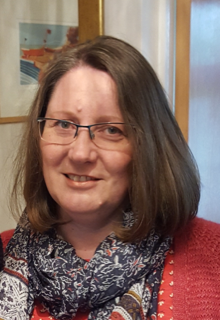
Editor Beekeepers Quarterly
Andrea has kept bees "for fun" for over 20 years. She holds the BBKA Basic Assessment in beekeeping competence and refused to do any more exams because she is married to bee scientist Norman Carreck NDB (the highest UK beekeeping qualification).
Together with Norman, she edits The Beekeepers Quarterly, which won the Apimondia 2025 Gold medal for best general beekeeping magazine.
As a freelance writer, she writes regularly for several beekeeping journals on plants for bees and all aspects of bees and beekeeping.
She co-authored The Bee: a Natural History and has adapted US beekeeping books so they suit the British beekeeper, including The Beekeeper’s Problem Solver by Jim Tew.
She wrote the successful children's book "What on Earth? Bees" which was translated into several languages.
Over the years she has written numerous items for various Facebook pages including the International Bee Research Association – IBRA, Carreck Consultancy, Apoidea Press, etc.
A keen gardener and lover of nature and the environment, Andrea brings her background in agricultural botany to bear on her understanding of beekeeping. Her interest in bees is wide ranging and covers all types of bees.

Bee scientist and Editor of The Beekeepers Quarterly
Norman Carreck has kept bees for 46 years and has been a bee research scientist for 35 years.
He is joint editor of the Beekeepers Quarterly, a director of Carreck Consultancy Ltd and Bee Publishing Ltd and is based at the University of Sussex, UK.
Norman has been a member of the Executive Committee of the international honey bee research network "COLOSS" for many years.
He has lectured about bees on all continents where bees are kept, written many scientific papers, book chapters, conference contributions and popular articles, and edited several books. Most recently, Sustainable Honey Bee Breeding, a Scientific Guide for Future Beekeeping.
He has regularly appeared in the media in many countries.
His research interests have been extensive, covering conservation of honey bees, pollination ecology, bee behaviour, bee pathology and forage for bees. He has spent almost as much time working on non apis bees and other pollinators as honey bees.
Over the years, he has been Science Director of the International Bee Research Association, and Senior Editor of the Journal of Apicultural Research, having started out at Rothamsted Research, UK.
He is married to Dr Andrea Quigley.